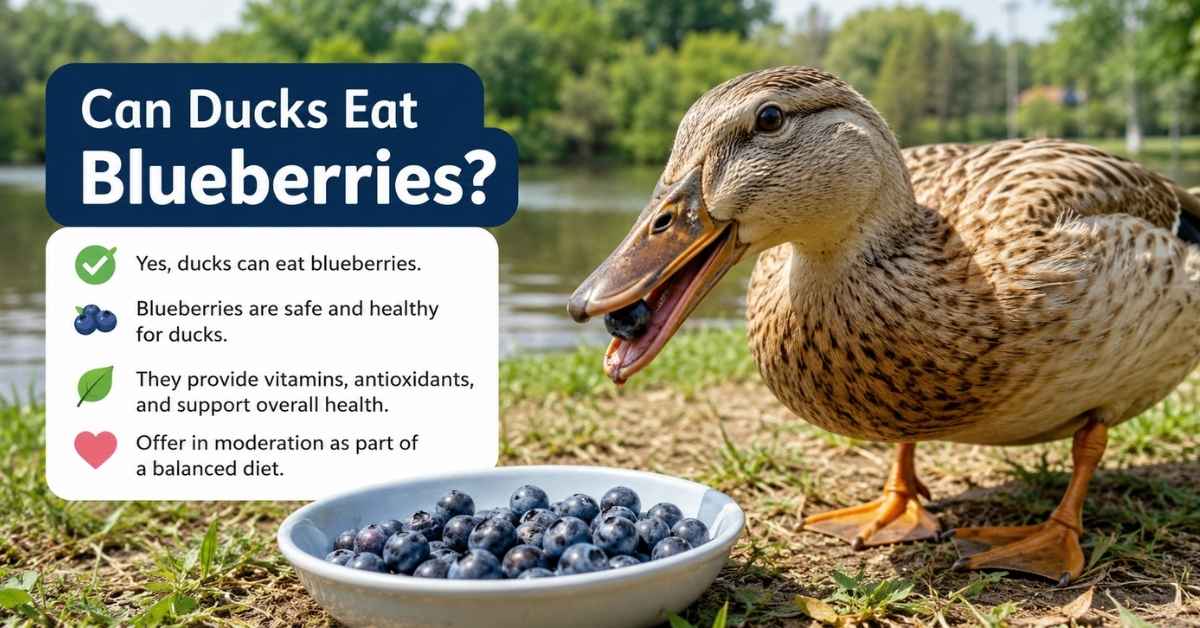
Can ducks eat blueberries? Yes, ducks can eat blueberries safely, and blueberries are actually one of the healthiest fruits you can offer as an occasional treat. These antioxidant-rich berries contain fiber, vitamins, water, and beneficial plant compounds that can support overall duck health. Whether you have backyard ducks, domestic ducks, laying ducks, or ducklings, blueberries can be a nutritious addition to a balanced duck diet when fed in moderation.
Many duck owners discover extra blueberries in the refrigerator, harvest berries from the garden, or simply want to provide healthier treats for their flock. Before feeding any fruit, however, it is natural to wonder whether it is safe, how much to offer, and whether there are any risks.
The good news is that blueberries are considered one of the safest fruits for ducks. They are soft, easy to swallow, packed with nutrients, and closely resemble the berries wild waterfowl may occasionally encounter in natural environments. Still, proper feeding practices matter because even healthy foods can cause problems when overfed.
This guide covers everything you need to know about feeding blueberries to ducks, including fresh blueberries, frozen blueberries, dried blueberries, duckling safety, nutritional benefits, serving sizes, common mistakes, and expert feeding recommendations.
Quick Answer: Can Ducks Eat Blueberries?
| Question | Quick Answer |
|---|---|
| Can ducks eat blueberries? | Yes |
| Are blueberries safe for ducks? | Yes |
| Can ducklings eat blueberries? | Yes, in moderation |
| Can ducks eat frozen blueberries? | Yes, after thawing |
| Can ducks eat dried blueberries? | Limited amounts |
| Can ducks eat blueberries every day? | Not recommended |
| Main nutritional benefit | Antioxidants and vitamins |
Blueberries should be treated as a healthy duck treat rather than a replacement for complete duck feed. A balanced waterfowl diet should always remain the foundation of proper nutrition.
Why Duck Owners Ask About Blueberries
The Real Concern Behind This Question
Most people searching “can ducks eat blueberries” are not actually looking for information about blueberries alone.
What they really want to know is:
- Will blueberries hurt my ducks?
- Are blueberries toxic?
- Are blueberries healthy or simply safe?
- Can ducklings eat blueberries?
- How many blueberries can ducks eat?
These concerns come from a place of responsibility. Backyard duck owners often care deeply about their birds and want to avoid feeding anything that could cause digestive issues or nutritional imbalances.
What Makes Blueberries Different From Other Treats?
Blueberries stand out because they combine several qualities ducks naturally appreciate.
They are:
- Soft and easy to swallow
- Naturally sweet
- Rich in water
- Packed with antioxidants
- Easy to digest
Unlike harder fruits that require chopping or preparation, blueberries are usually ready to serve with minimal effort.
Are Blueberries Good for Ducks or Just Safe?
Many online articles stop at saying blueberries are safe.
However, there is a significant difference between a food being safe and a food being beneficial.
Blueberries fall into both categories.
Nutritional Profile of Blueberries
Blueberries contain a variety of nutrients that may support overall duck health.
| Nutrient | Potential Benefit |
|---|---|
| Fiber | Digestive support |
| Vitamin C | General health support |
| Vitamin K | Normal bodily functions |
| Manganese | Metabolic processes |
| Anthocyanins | Antioxidant activity |
| Polyphenols | Cellular protection |
| Water | Hydration support |
Although ducks should not rely on fruit as a primary food source, blueberries provide useful supplemental nutrition.
How Blueberries Support Duck Health
Blueberries contain several naturally occurring compounds that may contribute to wellness.
Potential benefits include:
- Immune system support
- Improved dietary variety
- Antioxidant intake
- Hydration support
- Natural enrichment
A varied diet often produces healthier and more active ducks than a diet based solely on repetitive treats.
What Anthocyanins Do Inside a Duck’s Body
One of the most valuable compounds in blueberries is a group of pigments called anthocyanins.
Anthocyanins are responsible for the deep blue and purple color of blueberries.
These compounds function as antioxidants and help protect cells from oxidative stress.
For duck owners, this means blueberries offer more than simple calories. They provide naturally occurring plant compounds that contribute to overall nutritional quality.
Why Most Ducks Love Blueberries
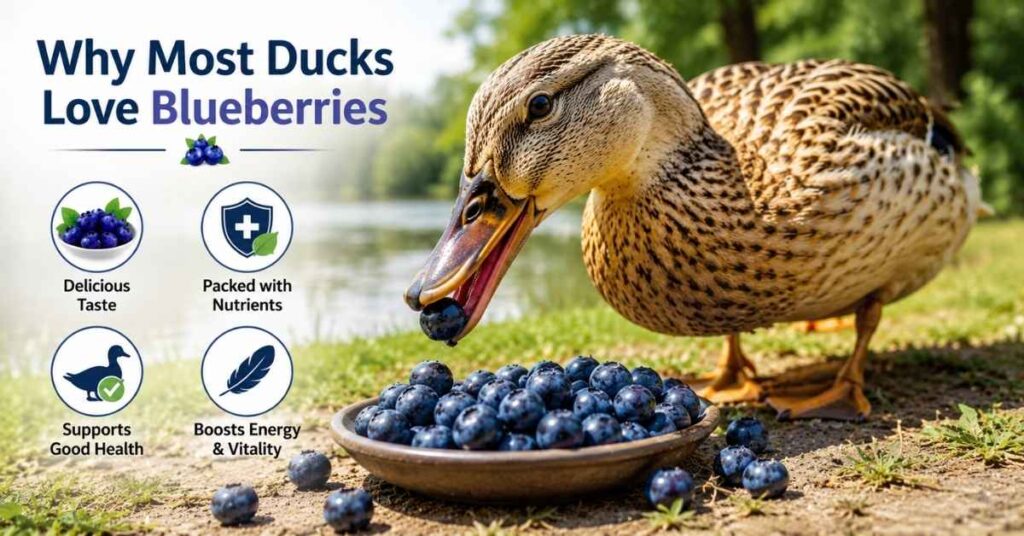
Many flock owners are surprised by how quickly ducks become interested in blueberries.
Natural Feeding Behaviors
Ducks rely heavily on sight when selecting foods.
Brightly colored foods often attract attention.
Blueberries offer:
- Strong visual appeal
- Soft texture
- Easy swallowing
- Pleasant sweetness
These characteristics make blueberries particularly attractive compared to tougher fruits.
Why Some Ducks Refuse Blueberries
Not every duck immediately accepts new foods.
Some ducks may initially ignore blueberries because:
- The fruit is unfamiliar
- They prefer vegetables
- Dominant birds control feeding areas
- The flock has never been exposed to berries
This behavior is completely normal.
How to Introduce Blueberries to Picky Ducks
If ducks refuse blueberries initially, try:
- Cutting berries in half
- Mixing berries with peas
- Combining them with chopped lettuce
- Offering small portions repeatedly
Many ducks become interested once they observe other flock members eating the fruit.
The Best Ways to Feed Blueberries to Ducks
Preparation affects both safety and acceptance.
Fortunately, blueberries are among the easiest fruits to feed.
Fresh Blueberries
Fresh blueberries are usually the best option.
Benefits include:
- Maximum freshness
- Natural texture
- No added ingredients
- High moisture content
Simply rinse the berries before feeding.
Frozen Blueberries
Frozen blueberries can also be a convenient option.
Many duck keepers use frozen berries when fresh blueberries are out of season.
However, it is best to thaw them first.
Benefits include:
- Long-term storage
- Year-round availability
- Convenient portion control
Mashed Blueberries
Mashed blueberries work especially well for:
- Ducklings
- Small breeds
- Birds unfamiliar with fruit
Mashing reduces food size and makes consumption easier.
Mixing Blueberries With Other Healthy Foods
Many experienced duck owners create simple fruit-and-vegetable blends.
Popular combinations include:
- Blueberries and peas
- Blueberries and lettuce
- Blueberries and kale
- Blueberries and cucumber
This encourages dietary variety while preventing overconsumption of any single food.
Can Ducks Eat Fresh Blueberries?
Benefits of Fresh Fruit
Fresh blueberries retain their natural water content and texture.
Advantages include:
- Excellent hydration support
- Natural antioxidants
- No processing
- Easy serving
For most backyard flocks, fresh blueberries are the preferred option.
Safe Serving Sizes
Although blueberries are healthy, moderation remains important.
A small handful shared among several ducks is generally sufficient as a treat.
The goal is supplementation, not meal replacement.
Common Mistakes With Fresh Blueberries
Avoid:
- Feeding excessive amounts
- Replacing balanced feed
- Offering spoiled berries
- Serving moldy fruit
Fresh, clean fruit is always the safest choice.
Can Ducks Eat Frozen Blueberries?
Are Frozen Blueberries Safe?
Yes.
Frozen blueberries are generally safe for ducks once thawed.
Many owners freeze garden harvests specifically for later use.
Thawing Recommendations
Allow berries to thaw naturally before feeding.
Thawed berries become softer and easier to consume.
When Frozen Blueberries Are Helpful
Frozen berries are especially useful:
- During winter
- Outside blueberry season
- For homestead food storage
- For reducing food waste
Frozen blueberries can provide nutritional variety year-round.
Can Ducks Eat Dried Blueberries?
Dried blueberries require more caution than fresh blueberries.
Understanding Concentrated Sugar Content
During drying, water is removed while natural sugars become more concentrated.
This means dried blueberries contain:
- Less moisture
- Higher sugar concentration
- Greater calorie density
Portion Control Matters
Small quantities are generally acceptable.
However, dried blueberries should never become a routine treat.
Why Fresh Blueberries Are Usually Better
Fresh berries provide:
- Better hydration
- Lower sugar concentration
- More natural feeding experience
For most ducks, fresh or thawed blueberries remain the superior choice.
Can Ducklings Eat Blueberries?
Many new duck owners are especially concerned about feeding fruit to young birds.
The good news is that ducklings can eat blueberries, but timing and portion size matter.
Ducklings require a nutrient-dense starter feed during their early growth stages. Treats should only play a very small role in their diet.
The Right Age to Introduce Fruit
Most poultry keepers recommend allowing ducklings to become established on their starter feed before introducing treats.
Starter feed provides:
- Protein for growth
- Essential vitamins
- Balanced minerals
- Complete nutrition
Blueberries should supplement—not replace—these nutritional needs.
Best Preparation Methods for Ducklings
Young ducks have smaller bills and less feeding experience than adults.
The safest options include:
- Mashed blueberries
- Crushed blueberries
- Finely chopped berries
These methods reduce swallowing difficulties and improve consumption.
How Much Is Safe for Young Ducks?
For ducklings, less is always better.
A few small pieces offered occasionally are usually sufficient.
Introducing fruit slowly allows owners to monitor:
- Digestion
- Appetite
- Overall behavior
Signs of Overfeeding Fruit
Watch for:
- Loose droppings
- Reduced feed intake
- Digestive upset
- Increased pickiness
If any of these occur, reduce treats and return focus to balanced duck feed.
LEARN MORE: Can Ducks Eat Bananas?
How Many Blueberries Can Ducks Eat?
One of the biggest mistakes duck owners make is assuming healthy foods can be fed without limits.
Even nutritious fruits should be offered responsibly.
Recommended Portion Sizes by Age
| Age Group | Suggested Amount |
|---|---|
| Young ducklings | A few mashed berries |
| Juveniles | Small portions occasionally |
| Adult ducks | Small handful shared among flock |
| Laying ducks | Moderate supplemental amounts |
Exact amounts vary depending on flock size and the rest of the diet.
Frequency Guidelines
Blueberries work best as an occasional treat.
Most experienced duck keepers offer fruit:
- Once or twice weekly
- As part of treat rotation
- Alongside vegetables
Variety generally produces better nutritional balance than feeding one treat repeatedly.
The Treat Rule Every Duck Owner Should Know
A useful guideline is:
- 90% complete duck feed
- 10% treats and supplements
Blueberries belong within the treat category.
This simple framework prevents nutritional imbalance while still allowing ducks to enjoy natural foods.
Can Ducks Eat Blueberries Every Day?
Technically, ducks can consume small amounts of blueberries daily.
However, daily feeding is not usually the best approach.
Why Moderation Matters
Blueberries contain natural sugars.
Although healthier than processed foods, excess fruit can still contribute to:
- Dietary imbalance
- Reduced feed consumption
- Excess calorie intake
Natural Sugar Considerations
Fruit sugars differ from refined sugars, but they still count toward total energy intake.
This is especially important for:
- Less active ducks
- Pet ducks
- Small backyard flocks
Building a Balanced Duck Diet
A healthy duck diet should prioritize:
- Quality waterfowl feed
- Fresh water
- Greens
- Safe vegetables
- Limited fruit treats
Blueberries fit well into this balanced approach.
The 90/10 Feeding Framework
Many successful duck keepers follow a simple rule:
- 90% nutritionally complete feed
- 10% treats
This helps maintain long-term health while still providing enrichment.
Blueberries Compared to Other Fruits Ducks Eat
Not all fruits offer the same nutritional benefits.
Blueberries vs Strawberries
| Factor | Blueberries | Strawberries |
|---|---|---|
| Antioxidants | Excellent | Good |
| Sugar Content | Moderate | Moderate |
| Duck Preference | High | High |
| Ease of Feeding | Excellent | Good |
Both fruits are safe and nutritious.
Blueberries vs Watermelon
Watermelon provides:
- Hydration
- Low calorie content
- Summer cooling benefits
Blueberries provide:
- More antioxidants
- Greater nutrient density
Blueberries vs Grapes
Grapes are popular treats but contain more sugar than blueberries.
Blueberries generally offer a stronger antioxidant profile.
Blueberries vs Apples
Apples provide fiber and nutrients but usually require preparation.
Blueberries are easier to feed because they are naturally bite-sized.
Which Fruits Deliver the Most Nutritional Value?
Among duck-safe fruits, top options include:
- Blueberries
- Strawberries
- Watermelon
- Apples
- Raspberries
- Blackberries
A variety of fruits often produces the best nutritional results.
Can Blueberries Improve Egg Quality?
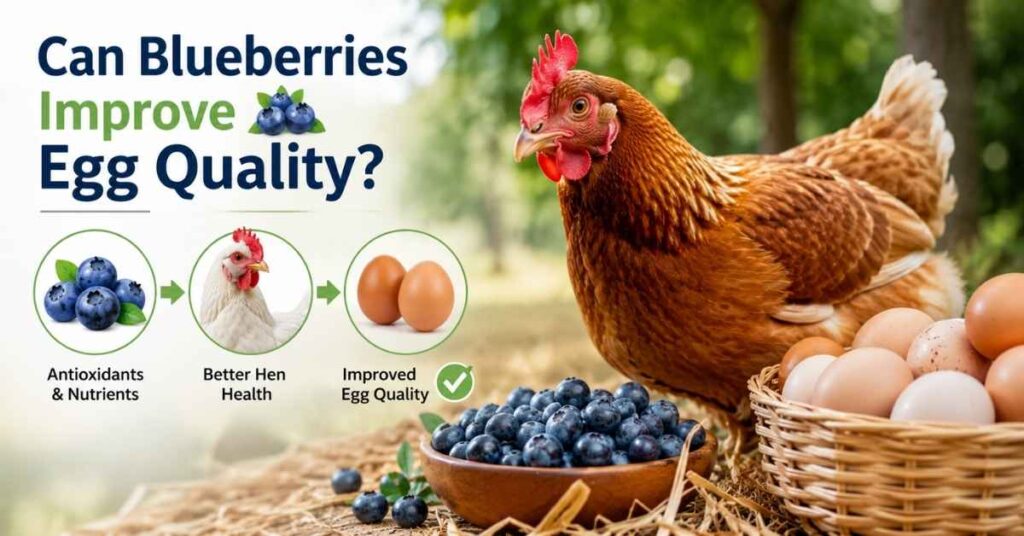
Many owners of laying ducks wonder whether blueberries can improve eggs.
Nutritional Influence on Laying Ducks
Good nutrition supports:
- Egg production
- Shell quality
- General health
Blueberries contribute useful nutrients as part of a varied diet.
Understanding What Fruit Can and Cannot Do
Blueberries are not a miracle food.
They cannot:
- Dramatically increase egg production
- Replace balanced feed
- Solve nutritional deficiencies
However, they can support overall health as part of a diverse feeding plan.
Common Myths About Fruit and Egg Production
Some owners believe specific fruits instantly improve egg quality.
In reality, egg quality depends on:
- Overall nutrition
- Genetics
- Age
- Environment
- Health status
Blueberries are one small piece of the larger picture.
Seasonal Feeding Strategies for Blueberries
Summer Feeding
Summer is often the easiest time to offer fresh berries.
Benefits include:
- Natural hydration
- Seasonal availability
- Easy garden harvesting
Harvest Season Opportunities
Many homesteaders experience blueberry surpluses.
Excess berries can become valuable duck treats instead of food waste.
Using Homegrown Blueberries
Garden-grown blueberries provide:
- Fresh nutrition
- Reduced feeding costs
- Sustainable food use
Freezing Blueberries for Winter Treats
Many duck owners freeze berries during harvest season.
This creates a year-round supply of healthy treats.
Backyard Ducks vs Wild Ducks
Should Backyard Ducks Eat Blueberries?
Absolutely.
Blueberries are one of the safest fruits for backyard flocks when offered responsibly.
Should You Feed Blueberries to Wild Ducks?
Occasional blueberries are generally safer than bread.
However, wild ducks should primarily rely on natural food sources.
Better Feeding Practices for Wild Waterfowl
If feeding is permitted locally, consider:
- Duck pellets
- Chopped greens
- Peas
- Small amounts of berries
Bread should always be avoided.
Mistakes That Turn a Healthy Treat Into a Problem
Feeding Too Many Blueberries
Even healthy foods become problematic when overfed.
Ignoring Total Sugar Intake
Natural sugar still contributes calories.
Replacing Complete Feed With Fruit
This is one of the most damaging feeding mistakes.
Feeding Sweetened or Processed Blueberries
Avoid:
- Sugared dried blueberries
- Syrup-packed berries
- Processed fruit products
Assuming All Fruits Are Equally Safe
Some fruits require more caution than others.
Always research unfamiliar foods before feeding.
Signs Your Ducks Are Handling Blueberries Well
Healthy Behaviors to Watch For
Signs include:
- Strong appetite
- Active foraging
- Bright eyes
- Smooth feathers
- Normal behavior
Digestive Indicators
Healthy digestion typically includes:
- Consistent droppings
- Stable energy levels
- Good body condition
What Proper Nutrition Looks Like
Well-fed ducks often display:
- Good feather quality
- Healthy weight
- Strong activity levels
- Reliable egg production
LEARN MORE: Can Ducks Eat Carrots?
When Blueberries Might Not Be the Best Choice
Ducks With Digestive Sensitivities
Some birds tolerate dietary changes less effectively.
Introduce fruit gradually.
Young Ducklings on Starter Feed
Treats should remain minimal during early growth stages.
Situations Requiring More Caution
Exercise additional care when feeding:
- Sick ducks
- Recovering birds
- Very young ducklings
When to Consult an Avian Veterinarian
Seek professional guidance if you notice:
- Persistent digestive problems
- Appetite loss
- Behavioral changes
- Difficulty swallowing
Practical Feeding Routine Used by Experienced Duck Keepers
Weekly Treat Rotation Example
Monday:
- Lettuce
Wednesday:
- Peas
Friday:
- Blueberries
Weekend:
- Mixed vegetables
This creates nutritional diversity.
Combining Nutrition and Enrichment
Food can also encourage natural behaviors.
Scattering blueberries encourages:
- Foraging
- Exploration
- Activity
Preventing Dietary Imbalance
Keep treats limited and varied.
This helps maintain balanced nutrition.
Keeping Treats Beneficial Rather Than Excessive
The healthiest ducks typically receive:
- Complete feed first
- Treats second
This simple principle prevents most feeding problems.
Fruit Feeding Checklist for Duck Owners
Before Feeding
- ✔ Wash fruit
- ✔ Remove spoiled berries
- ✔ Check freshness
During Feeding
- ✔ Offer moderate portions
- ✔ Observe behavior
- ✔ Ensure water access
After Feeding
- ✔ Remove leftovers
- ✔ Monitor digestion
- ✔ Store remaining fruit properly
Safe Storage Tips
- Refrigerate fresh berries
- Freeze excess harvests
- Discard moldy fruit immediately
Frequently Asked Questions
Can ducks eat blueberries safely?
Yes. Blueberries are considered one of the safest fruits for ducks when fed in moderation.
Can ducklings eat blueberries?
Yes. Ducklings can eat mashed or crushed blueberries in small amounts.
Can ducks eat frozen blueberries?
Yes. Thawed blueberries are generally safe and easy to feed.
Can ducks eat dried blueberries?
Yes, but only occasionally because dried berries contain concentrated sugars.
Can ducks eat blueberries every day?
Small amounts are generally safe, but rotation with other treats is usually better.
How many blueberries can ducks eat?
A small handful shared among several ducks is usually sufficient.
Are blueberries healthy for ducks?
Yes. Blueberries provide antioxidants, fiber, vitamins, and beneficial plant compounds.
Do ducks naturally eat berries in the wild?
Wild ducks may occasionally consume berries depending on habitat and seasonal availability.
Are blueberries better than strawberries for ducks?
Both are excellent options. Blueberries generally contain higher antioxidant levels.
Can ducks eat wild blueberries?
Yes. Clean wild blueberries are typically safe.
Can blueberries affect egg production?
Blueberries support overall nutrition but should not be expected to dramatically increase egg production.
What fruits should ducks avoid?
Avoid spoiled fruit, heavily processed fruit products, and any fruit prepared with added sugars.
Final Verdict: Should You Feed Blueberries to Ducks?
Can ducks eat blueberries? Absolutely. Blueberries are among the best fruits for ducks, providing antioxidants, anthocyanins, fiber, vitamins, polyphenols, and hydration in a naturally appealing package.
For the best results:
- Feed blueberries in moderation.
- Prioritize complete duck feed.
- Introduce fruit gradually.
- Rotate treats throughout the week.
- Offer fresh or thawed blueberries whenever possible.
When used responsibly, blueberries can become a nutritious, enjoyable, and enrichment-focused treat that supports a healthy and happy flock while helping owners make good use of seasonal fruit and garden harvests.