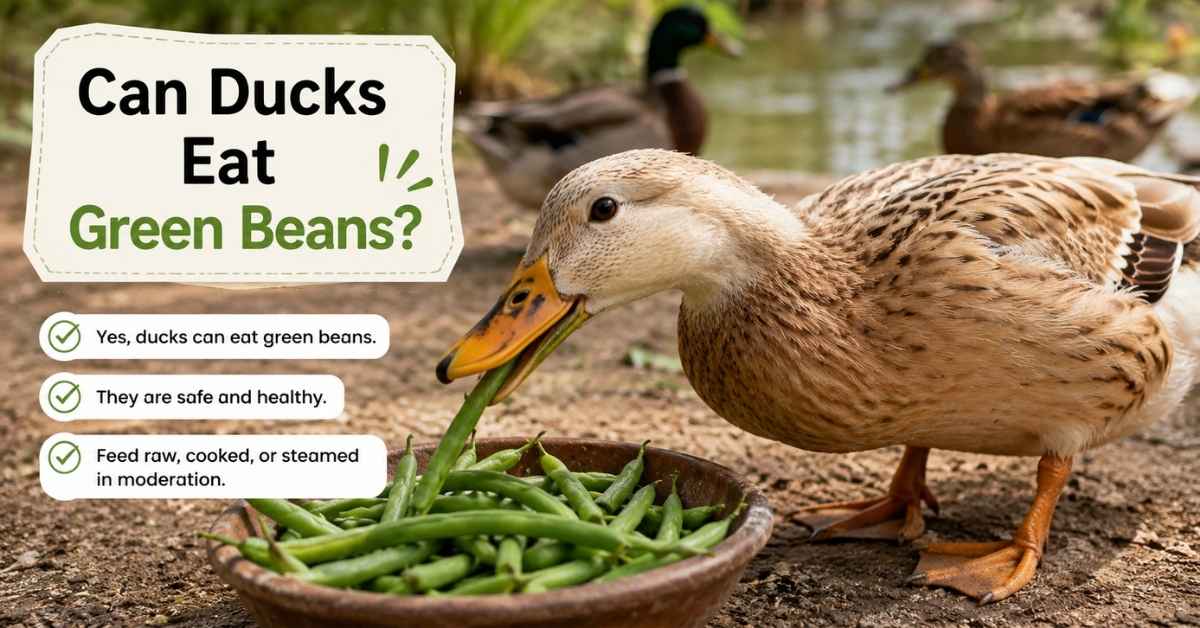
Can ducks eat green beans? Yes, ducks can eat green beans safely when they are offered in moderation as part of a balanced diet. Fresh, raw, and plain cooked green beans are generally safe for ducks and can provide valuable nutrients such as fiber, vitamins, minerals, and hydration. However, green beans should be treated as a supplement to a duck’s regular feed rather than a replacement for a complete diet.
If you keep backyard ducks or care for a small flock, you have probably wondered whether leftover vegetables from the garden or kitchen can become healthy treats. Green beans are among the vegetables many duck owners consider feeding because they are widely available, affordable, and nutritious. The key is understanding how to prepare them correctly and how much to feed.
This guide covers everything you need to know about feeding green beans to ducks, including raw versus cooked beans, duckling safety, portion sizes, and common mistakes to avoid.
Can Ducks Eat Green Beans? (Quick Answer)
Yes, ducks can eat green beans.
Fresh green beans are a safe and nutritious treat for most ducks. They contain beneficial nutrients and can add variety to a duck’s diet. Many ducks enjoy pecking at chopped green beans, especially when mixed with other vegetables.
For the best results:
- Feed fresh green beans whenever possible.
- Serve plain cooked beans without salt or seasonings.
- Cut large beans into smaller pieces.
- Offer green beans as a treat rather than a main food source.
- Ensure ducks continue eating a balanced duck feed.
While green beans are safe, moderation remains important. Too many treats can reduce the nutritional balance of a duck’s overall diet.
Why Duck Owners Ask About Green Beans
Many poultry keepers search for information about green beans because they want to provide healthier treats while avoiding foods that could harm their flock.
The Concern Behind the Question
Duck owners often worry about:
- Accidental poisoning
- Digestive problems
- Nutritional deficiencies
- Feeding the wrong vegetables
- Choking hazards for ducklings
Unlike wild ducks that naturally forage for a variety of foods, domestic ducks rely heavily on their owners to provide appropriate nutrition. That responsibility makes many keepers cautious about introducing new foods.
What Happens When Ducks Eat Green Beans?
Most ducks react positively to green beans. Some ducks immediately begin pecking and eating them, while others may take a little time to investigate the new food.
Because ducks are natural foragers, they enjoy exploring different textures and flavors. Green beans provide both nutritional value and environmental enrichment.
In many backyard flocks, ducks will happily consume chopped green beans alongside other vegetables such as peas, lettuce, cucumbers, and zucchini.
Are Green Beans Healthy for Ducks?
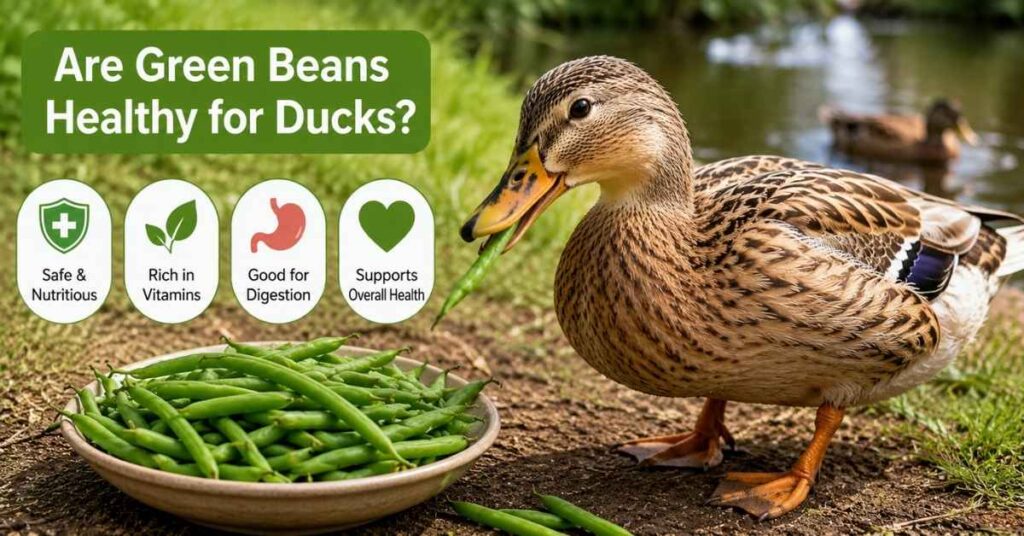
Green beans are more than just a tasty snack. They contain several nutrients that can support overall duck health.
Nutritional Value of Green Beans
Green beans contain:
| Nutrient | Potential Benefit |
|---|---|
| Fiber | Supports healthy digestion |
| Vitamin C | Helps support overall health |
| Vitamin K | Important for normal body functions |
| Folate | Supports cell growth |
| Potassium | Supports muscle function |
| Water Content | Helps maintain hydration |
These nutrients make green beans one of the healthier vegetables available for ducks.
How These Nutrients Benefit Ducks
Fiber Supports Digestion
The fiber found in green beans may help maintain healthy digestion in ducks. Fiber contributes to normal gut function and can support digestive regularity.
Hydration Support
Fresh green beans contain a high percentage of water. This can provide additional hydration, particularly during warmer months when ducks require more fluids.
Variety in the Diet
Ducks benefit from dietary variety. While commercial duck feed should remain the primary food source, vegetables can offer enrichment and additional nutrients.
Green Beans Are Not a Complete Feed
One mistake some poultry owners make is assuming healthy vegetables can replace complete feed.
Green beans should never become the foundation of a duck’s diet.
A high-quality duck feed contains carefully balanced levels of:
- Protein
- Amino acids
- Vitamins
- Minerals
- Energy
Green beans work best as a supplemental treat.
Fresh, Raw, Cooked, Frozen, and Canned Green Beans: Which Is Best?
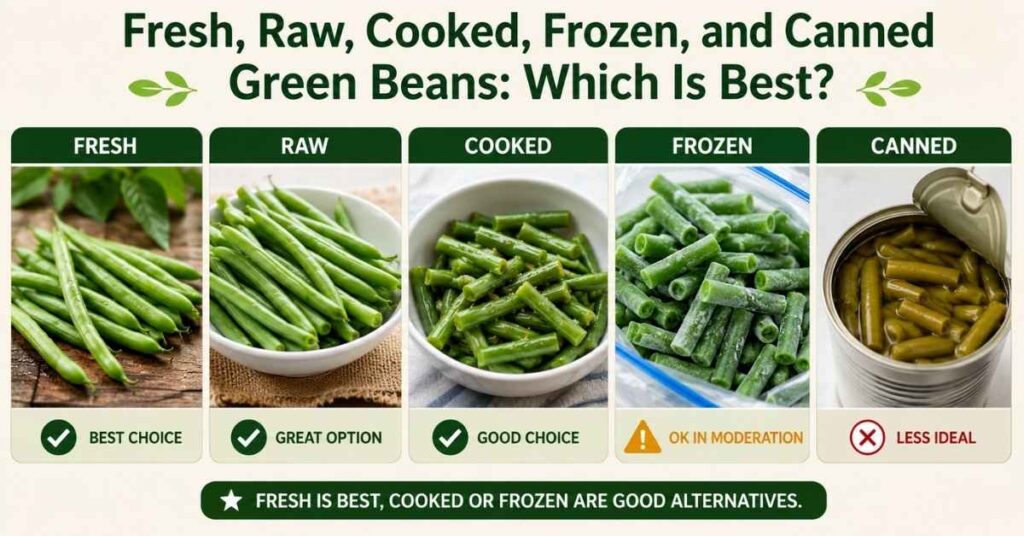
Not all green beans are equal when it comes to duck nutrition.
Can Ducks Eat Fresh Green Beans?
Fresh green beans are generally the best option.
Benefits include:
- Natural nutrients
- No added sodium
- No preservatives
- High water content
Many duck owners simply wash the beans thoroughly and chop them into manageable pieces before feeding.
Can Ducks Eat Raw Green Beans?
Yes, ducks can eat raw green beans.
Raw green beans retain their natural nutrients and are commonly fed to backyard ducks. Most adult ducks can handle raw green beans without difficulty.
To improve safety:
- Wash thoroughly.
- Remove any spoiled portions.
- Cut larger beans into smaller pieces.
Smaller pieces reduce waste and make eating easier.
Can Ducks Eat Cooked Green Beans?
Yes, ducks can eat cooked green beans as long as they are plain.
Cooked green beans should not contain:
- Salt
- Butter
- Oils
- Garlic
- Onion
- Heavy seasonings
Plain steamed or boiled green beans can be a good option for ducks that prefer softer foods.
Can Ducks Eat Frozen Green Beans?
Yes, ducks can eat frozen green beans.
Frozen vegetables often retain much of their nutritional value. However, it is best to thaw them before feeding.
Benefits include:
- Convenient storage
- Year-round availability
- Minimal preparation
After thawing, chop larger pieces if necessary.
Can Ducks Eat Canned Green Beans?
Canned green beans require more caution.
Most canned vegetables contain significant amounts of sodium. Excess sodium is not ideal for ducks and should be avoided whenever possible.
If canned green beans are the only option:
- Choose low-sodium varieties.
- Rinse thoroughly before feeding.
- Offer only occasionally.
Fresh and frozen beans remain superior choices.
Green Bean Safety Comparison Table
| Type of Green Bean | Safe for Ducks? | Recommendation |
|---|---|---|
| Fresh Green Beans | Yes | Best option |
| Raw Green Beans | Yes | Excellent choice |
| Plain Cooked Green Beans | Yes | Good option |
| Frozen Green Beans | Yes | Thaw before feeding |
| Low-Sodium Canned Beans | Limited | Occasional use |
| Salted Canned Beans | No | Avoid |
| Seasoned Green Beans | No | Avoid |
Can Ducklings Eat Green Beans?
One of the most common long-tail questions is:
Can ducklings eat green beans?
The answer is yes, but extra care is necessary.
At What Age Can Ducklings Eat Green Beans?
Young ducklings should receive a nutritionally balanced starter feed as their primary food source.
Once ducklings begin exploring supplemental foods, very small amounts of vegetables can be introduced gradually.
Vegetables should always remain secondary to their complete feed.
How to Prepare Green Beans for Baby Ducks
Ducklings have smaller beaks and less developed feeding abilities than adult ducks.
For safety:
- Finely chop green beans.
- Offer very small pieces.
- Monitor feeding behavior.
- Introduce new foods gradually.
This reduces the risk of choking and helps ducklings adjust to different textures.
Common Mistakes When Feeding Ducklings
Avoid these errors:
- Feeding large pieces.
- Offering too many treats.
- Replacing starter feed.
- Introducing multiple new foods at once.
Young ducks require concentrated nutrition during growth. Excessive treats can interfere with proper development.
How Much Green Bean Can a Duck Eat?
Even healthy foods should be fed responsibly.
Green beans work best as a treat rather than a dietary staple.
Recommended Portion Sizes
The exact amount depends on:
- Duck size
- Age
- Activity level
- Overall diet
A handful of chopped green beans shared among a small flock is usually sufficient.
Treats should not dominate the feeding program.
How Often Should Ducks Eat Green Beans?
A good rule followed by many experienced poultry keepers is the 90/10 feeding principle.
- 90% of a duck’s diet should come from a balanced duck or waterfowl feed.
- 10% or less should come from treats, vegetables, fruits, and other supplemental foods.
Under this guideline, green beans can be offered several times per week without causing nutritional imbalances.
For most backyard ducks:
- 2–4 times per week is reasonable.
- Small portions are better than large servings.
- Rotate green beans with other healthy vegetables.
Remember that variety is beneficial. Ducks naturally consume a diverse range of foods when foraging, and a varied treat selection helps mimic that behavior.
The Best Way to Feed Green Beans to Ducks
Simply throwing vegetables into the pen works, but there are better methods that encourage natural behavior and reduce waste.
Feeding Methods That Encourage Natural Foraging
Ducks enjoy searching for food.
Instead of placing all green beans in one pile, try:
- Scattering chopped pieces around the run.
- Mixing green beans with peas.
- Adding them to a vegetable treat mix.
- Spreading them across grassy areas.
This encourages activity and keeps ducks mentally stimulated.
Preparing Green Beans From the Garden
If you grow green beans in your own garden:
- Harvest fresh beans.
- Wash them thoroughly.
- Remove damaged or spoiled sections.
- Cut larger beans into smaller pieces.
- Serve immediately or refrigerate.
Fresh garden vegetables often become a favorite treat among backyard flocks.
Feeding Green Beans to a Flock vs. a Single Duck
A single duck may approach new foods cautiously.
In a flock setting, ducks often copy each other’s feeding behavior.
Once one duck begins eating green beans, others frequently follow. This natural flock behavior can make introducing vegetables much easier.
Common Mistakes Duck Owners Make With Green Beans
Although green beans are generally safe, several mistakes can reduce their benefits or create unnecessary risks.
Feeding Too Many Vegetables
Green beans are nutritious, but they cannot replace balanced poultry nutrition.
Overfeeding vegetables may reduce consumption of complete feed, potentially leading to nutritional deficiencies over time.
Using Salty or Seasoned Leftovers
Many kitchen leftovers contain:
- Salt
- Garlic
- Onion
- Oils
- Butter
- Spices
These ingredients are not appropriate for ducks.
Always feed plain vegetables without added seasonings.
Offering Spoiled Green Beans
Vegetables that are moldy, slimy, or rotten should never be fed.
Spoiled foods can cause digestive issues and may expose ducks to harmful bacteria.
Replacing Balanced Feed With Treats
Some new duck owners become excited about feeding fresh foods and accidentally overdo it.
Vegetables should complement—not replace—commercial duck feed.
Ignoring Individual Duck Preferences
Not every duck likes every vegetable.
Some ducks eagerly consume green beans while others show little interest.
This is completely normal. Offer healthy options and allow ducks to choose what they enjoy.
Signs Your Ducks Enjoy Green Beans and Are Digesting Them Well
Whenever introducing a new food, observation is important.
Positive Feeding Behaviors
Healthy signs include:
- Active eating
- Curious pecking
- Normal movement
- Continued interest in regular feed
Many ducks quickly recognize green beans as a safe and enjoyable treat.
Healthy Droppings and Normal Activity
After introducing green beans, watch for:
- Normal droppings
- Consistent appetite
- Good energy levels
- Normal social behavior
These indicators suggest the food is being tolerated well.
When to Reduce or Stop Feeding Green Beans
Consider discontinuing green beans if you notice:
- Persistent digestive upset
- Refusal of regular feed
- Unusual lethargy
- Any abnormal behavior
While adverse reactions are uncommon, every bird is different.
Can Ducks Eat Green Bean Plants, Leaves, and Pods?
Many gardeners wonder whether ducks can safely access entire green bean plants.
Green Bean Plants
In general, ducks may nibble on green bean plants without issue.
However, allowing unrestricted access to a vegetable garden may result in significant plant damage.
Leaves and Stems
Leaves and tender stems are commonly sampled by ducks.
Most backyard duck keepers report little concern when ducks consume small amounts.
Mature Pods
Mature green bean pods are usually safe and are often eaten readily by ducks.
The pods contain fiber and moisture that many birds enjoy.
Garden Grazing Considerations
If ducks are allowed into the garden:
- Monitor plant damage.
- Protect valuable crops.
- Rotate grazing areas.
Ducks can be excellent pest controllers, but they are not always gentle on vegetables.
Green Beans vs Other Vegetables for Ducks
Not all vegetables offer the same nutritional value.
Green Beans vs Peas
Peas are one of the most popular duck treats.
Both peas and green beans are nutritious, but peas often receive a stronger feeding response from ducks.
Green Beans vs Lettuce
Lettuce provides hydration but generally contains fewer nutrients than green beans.
Green beans offer greater nutritional density.
Green Beans vs Broccoli
Broccoli contains valuable vitamins and minerals but may not be accepted as readily by every duck.
Green beans are often easier to introduce.
Green Beans vs Corn
Corn is energy-rich and popular with ducks.
However, green beans generally provide more fiber and fewer calories.
Vegetable Comparison Table
| Vegetable | Safe for Ducks | Nutrition Value | Feeding Frequency |
|---|---|---|---|
| Green Beans | Yes | High | Regular treat |
| Peas | Yes | High | Excellent treat |
| Lettuce | Yes | Moderate | Frequent |
| Broccoli | Yes | High | Moderate |
| Corn | Yes | Moderate | Occasional |
Vegetables That Pair Well With Green Beans in a Duck Diet
Creating a vegetable mix can provide variety and enrichment.
Excellent Pairings
- Peas
- Cucumbers
- Zucchini
- Pumpkin
- Lettuce
- Kale (in moderation)
These vegetables complement green beans and create a diverse treat mix.
Simple Vegetable Treat Mix
Try combining:
- Chopped green beans
- Peas
- Diced cucumber
- Small pumpkin pieces
Scatter the mixture across the run to encourage natural foraging behavior.
Vegetables Ducks Should Avoid
Although many vegetables are safe, some foods should be avoided.
Potentially Harmful Foods
Avoid feeding:
- Moldy vegetables
- Rotten produce
- Highly processed foods
- Excessively salty foods
Foods That May Cause Digestive Issues
Large quantities of any new food can upset digestion.
Introduce vegetables gradually and observe your flock.
Warning Signs After Eating Unsuitable Foods
Watch for:
- Loss of appetite
- Diarrhea
- Lethargy
- Unusual behavior
If symptoms persist, consult a qualified poultry veterinarian.
Learn More…. Can Ducks Eat Cantaloupe?
A Practical Feeding Routine for Backyard Duck Owners
Many new duck owners appreciate a simple feeding framework.
Daily Feeding Schedule Example
Morning:
- Complete duck feed
- Fresh water
Afternoon:
- Foraging time
- Small vegetable treat
Evening:
- Complete duck feed
- Fresh water
Weekly Treat Schedule Example
Monday: Green beans
Wednesday: Peas
Friday: Lettuce and cucumber
Sunday: Mixed vegetable treat
This approach provides variety while maintaining nutritional balance.
Seasonal Feeding Adjustments
During hot weather, water-rich vegetables such as green beans and cucumbers can help support hydration.
During colder months, ducks may naturally consume more energy-rich foods.
What Experienced Duck Keepers Know About Feeding Green Beans
Long-time duck owners often share several observations.
Why Moderation Matters
Even healthy treats become problematic when overfed.
Balanced nutrition remains the foundation of duck health.
How Flock Behavior Influences Food Acceptance
Ducks learn from one another.
A hesitant duck often becomes interested after seeing flock mates enjoy a new food.
Lessons Learned From Backyard Duck Owners
Many experienced keepers report that:
- Chopped vegetables reduce waste.
- Ducks prefer fresh produce.
- Variety improves enrichment.
- Small portions work best.
When Green Beans Become a Useful Enrichment Food
Food is not only nutrition.
Offering different vegetables encourages exploration, activity, and natural foraging instincts.
Green beans can serve as both a healthy treat and a source of enrichment.
Frequently Asked Questions
Can ducks eat raw green beans every day?
They can, but moderation is recommended. Green beans should remain a treat rather than a primary food source.
Can ducks eat cooked green beans with no seasoning?
Yes. Plain cooked green beans are safe for ducks.
Can ducks eat canned green beans?
Low-sodium canned green beans can be offered occasionally, but fresh or frozen options are better.
Can ducklings safely eat green beans?
Yes, provided the beans are finely chopped and offered in small amounts alongside a complete starter feed.
Are green bean plants safe for ducks?
Most ducks can safely nibble green bean plants, leaves, and pods.
How many green beans should I feed my ducks?
A small handful shared among a flock is generally sufficient as a treat.
What vegetables are healthiest for ducks?
Green beans, peas, cucumbers, pumpkin, lettuce, and zucchini are among the most popular options.
Can ducks eat green beans straight from the garden?
Yes. Wash them thoroughly and remove any damaged portions before feeding.
Conclusion
Can ducks eat green beans? Absolutely. Fresh, raw, frozen, and plain cooked green beans are generally safe for ducks and can be a healthy addition to their diet when fed in moderation. They provide fiber, hydration, vitamins, and dietary variety, making them an excellent treat for many backyard flocks.
The safest approach is to offer fresh green beans, avoid heavily processed or salty varieties, and ensure that vegetables never replace a balanced duck feed. Whether you keep a few backyard ducks or manage a larger flock, green beans can be a simple and nutritious way to enrich your birds’ daily routine.
By following proper feeding practices and maintaining a balanced diet, you can confidently include green beans among the many safe vegetables for ducks.