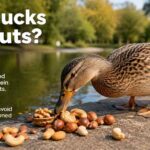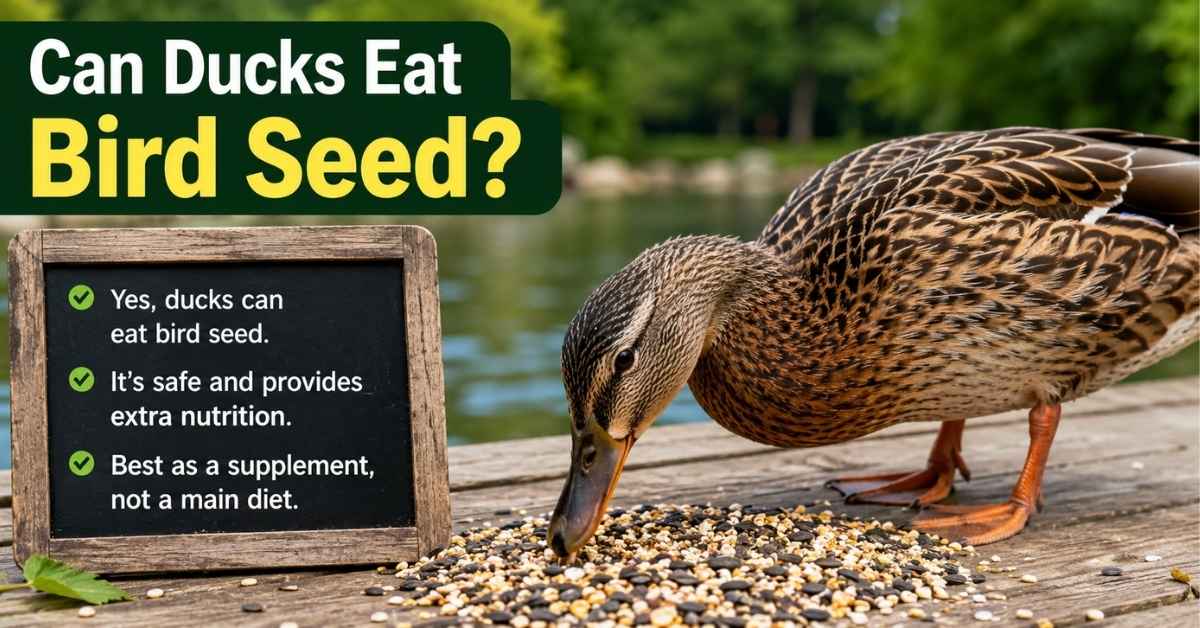
Have you ever watched ducks gathering around a bird feeder and wondered if they can safely eat the same seeds as backyard birds? If so, you’re not alone. Can ducks eat bird seed? Yes, ducks can eat bird seed in moderation, and many varieties of bird seed can be a nutritious snack for them. However, not all bird seed mixes are created equal, and some ingredients are better for ducks than others.
Understanding which seeds are safe, how much to offer, and what foods ducks truly need can help you keep both wild and domestic ducks healthy. In this guide, you’ll learn everything you need to know about feeding bird seed to ducks, including benefits, risks, and expert feeding recommendations.
Is Bird Seed Safe for Ducks?
In most cases, bird seed is perfectly safe for ducks. Ducks are omnivores and naturally consume a wide variety of foods, including seeds, grains, aquatic plants, insects, and small invertebrates.
Many commercial bird seed mixes contain ingredients that ducks can digest without difficulty. Seeds provide energy, healthy fats, protein, and essential nutrients that support growth and overall health.
However, safety depends on the type of seed and the quality of the bird seed mix. Fresh, natural seeds are ideal, while heavily processed, moldy, or salted products should be avoided.
What Types of Bird Seed Can Ducks Eat?
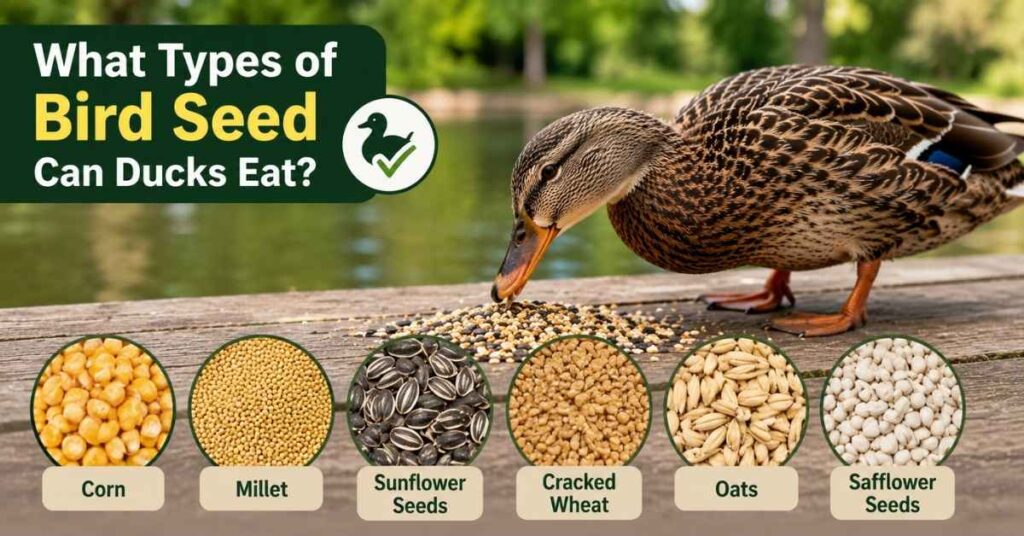
Several common bird seeds are safe and beneficial for ducks.
Sunflower Seeds
Sunflower seeds are one of the best options for ducks. They contain healthy fats, protein, fiber, and vitamin E.
Benefits include:
- Supports feather health
- Provides energy during colder months
- Rich in antioxidants
- Easy for adult ducks to eat
Black oil sunflower seeds are especially popular because their shells are thin and easy to crack.
Millet
Millet is a small grain commonly found in bird seed mixes.
It offers:
- Carbohydrates for energy
- Moderate protein
- Easy digestion
- Suitable for ducks of all ages
Many wild ducks naturally consume millet when available.
Cracked Corn
Although technically a grain rather than a seed, cracked corn frequently appears in bird seed blends.
It provides:
- Quick energy
- Easy digestion
- Affordable supplemental feed
During winter, cracked corn can help ducks maintain body heat.
Safflower Seeds
Safflower seeds are nutritious and safe for ducks.
They contain:
- Healthy fats
- Protein
- Fiber
- Essential minerals
Many bird enthusiasts use safflower because squirrels often avoid it while birds and ducks enjoy it.
Milo (Sorghum)
Milo is another grain commonly found in bird seed.
Ducks can safely eat it and benefit from its carbohydrate content. However, many ducks prefer sunflower seeds and millet over milo.
Bird Seeds Ducks Should Eat in Moderation
Not every seed should make up a large portion of a duck’s diet.
Nyjer (Thistle) Seed
Nyjer seed is safe but very small. Ducks can eat it, though it offers limited value compared to larger seeds and grains.
Pumpkin Seeds
Pumpkin seeds are nutritious and rich in minerals. However, they should be fed as occasional treats rather than dietary staples.
Mixed Bird Seed
Commercial bird seed mixes often contain a variety of ingredients. While most are safe, always check labels for additives or ingredients unsuitable for ducks.
Can Baby Ducks Eat Bird Seed?
Ducklings require special nutrition to support rapid growth.
While older ducklings may nibble on small seeds, bird seed should not replace a balanced starter feed specifically designed for waterfowl.
Young ducks need:
- Higher protein levels
- Essential vitamins
- Proper calcium-to-phosphorus ratios
- Consistent nutrient intake
If feeding bird seed to ducklings, choose finely crushed seeds and offer them only as occasional treats.
Nutritional Benefits of Bird Seed for Ducks
Bird seed can contribute several important nutrients to a duck’s diet.
| Nutrient | Benefit for Ducks |
|---|---|
| Protein | Supports muscle growth |
| Healthy Fats | Provides energy and feather health |
| Fiber | Aids digestion |
| Vitamin E | Supports immune function |
| Minerals | Helps bone and overall health |
Although bird seed offers valuable nutrients, ducks still need a varied diet for optimal health.
Risks of Feeding Too Much Bird Seed
Even healthy foods can cause problems when overfed.
Nutritional Imbalance
Bird seed alone does not provide all nutrients ducks require. Overreliance on seeds may lead to dietary deficiencies.
Excess Weight Gain
High-fat seeds such as sunflower seeds can contribute to obesity if consumed excessively.
Digestive Issues
Large quantities of dry seeds may occasionally cause digestive discomfort, especially if ducks lack access to fresh water.
Mold Contamination
Old or damp bird seed can develop mold. Moldy feed may cause serious health issues in ducks and other wildlife.
Always use fresh, dry seed.
How Much Bird Seed Can Ducks Eat?
Bird seed should be treated as a supplement rather than a primary food source.
A good guideline is:
- 80–90% balanced duck feed or natural forage
- 10–20% treats, including bird seed
For backyard ducks, a small handful of bird seed per duck a few times per week is usually sufficient.
Moderation ensures ducks receive proper nutrition while still enjoying variety.
Best Foods to Feed Ducks Alongside Bird Seed
To create a balanced diet, combine bird seed with other healthy foods.
Excellent options include:
- Duck pellets
- Waterfowl feed
- Leafy greens
- Peas
- Corn
- Oats
- Lettuce
- Cucumber
- Cooked rice
- Aquatic plants
Providing diverse foods helps meet all nutritional requirements.
Foods Ducks Should Never Eat
Many people unknowingly offer foods that can harm ducks.
Avoid feeding:
- Moldy bird seed
- Chocolate
- Avocado
- Caffeinated products
- Salty snacks
- Sugary treats
- Raw dried beans
- Spoiled food
Contrary to popular belief, bread is also not recommended because it provides little nutritional value.
How to Feed Bird Seed to Ducks
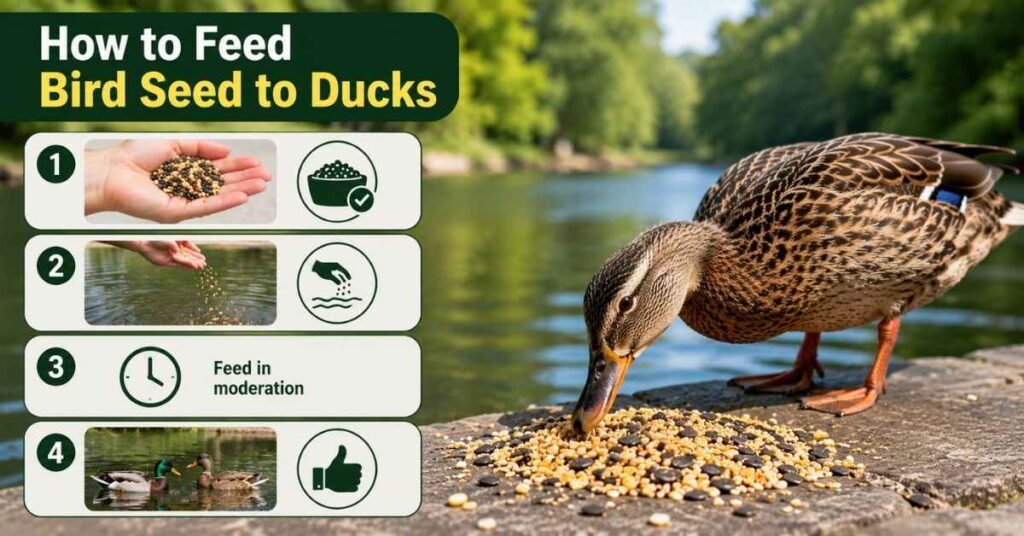
Following a few simple practices can make feeding safer and healthier.
1. Choose Quality Seed
Select fresh bird seed without preservatives, flavorings, or excessive fillers.
2. Scatter the Seed
Spreading seeds on the ground encourages natural foraging behavior.
3. Provide Water
Ducks need water nearby when eating. Water helps them swallow and digest food properly.
4. Keep Feeding Areas Clean
Remove leftover seed to prevent mold growth and discourage pests.
5. Feed in Moderation
Treat bird seed as a supplement rather than a complete meal.
Learn more….Can Ducks Eat Cheerios?
Wild Ducks vs Domestic Ducks: Does It Matter?
Both wild and domestic ducks can eat bird seed safely.
Wild ducks often encounter seeds naturally in ponds, marshes, and grasslands. Domestic ducks, meanwhile, may enjoy bird seed as part of a carefully managed diet.
The key difference is that domestic ducks rely more heavily on their owners for balanced nutrition. Therefore, bird seed should never replace formulated duck feed.
Signs Your Ducks Enjoy Bird Seed
Healthy ducks typically show positive reactions when offered bird seed.
Signs include:
- Active foraging behavior
- Strong appetite
- Healthy feathers
- Consistent energy levels
- Normal droppings
If you notice digestive upset or unusual behavior, reduce treats and evaluate the overall diet.
Frequently Asked Questions
Can ducks eat wild bird seed?
Yes. Most wild bird seed blends are safe for ducks as long as they contain natural ingredients and no harmful additives.
Can ducks eat sunflower seeds?
Yes. Sunflower seeds are one of the best bird seeds for ducks because they provide healthy fats, protein, and vitamins.
Can ducks eat bird seed every day?
They can eat small amounts daily, but bird seed should not replace a balanced duck diet.
Is bird seed better than bread for ducks?
Absolutely. Bird seed offers significantly more nutritional value than bread and is a much healthier option.
Can ducks eat bird feeder leftovers?
Yes, provided the seed is fresh, clean, and free from mold or contamination.
Can ducklings eat bird seed?
Ducklings can eat small amounts of crushed seed occasionally, but they should primarily receive a high-quality starter feed.
What is the best seed for ducks?
Sunflower seeds, millet, safflower seeds, and cracked corn are among the best options.
Conclusion
So, can ducks eat bird seed? The answer is yes. Bird seed can be a safe and nutritious treat for both wild and domestic ducks when offered in moderation. Seeds such as sunflower, millet, safflower, and cracked corn provide valuable nutrients and can complement a balanced diet.
That said, bird seed should never become a duck’s primary food source. Ducks thrive when they receive a varied diet that includes quality waterfowl feed, greens, grains, and natural forage. By choosing fresh seeds and feeding responsibly, you can help your ducks stay healthy, active, and well-nourished.
If you enjoyed this guide, consider exploring other duck-feeding resources to learn more about safe treats, healthy diets, and proper waterfowl care.