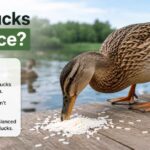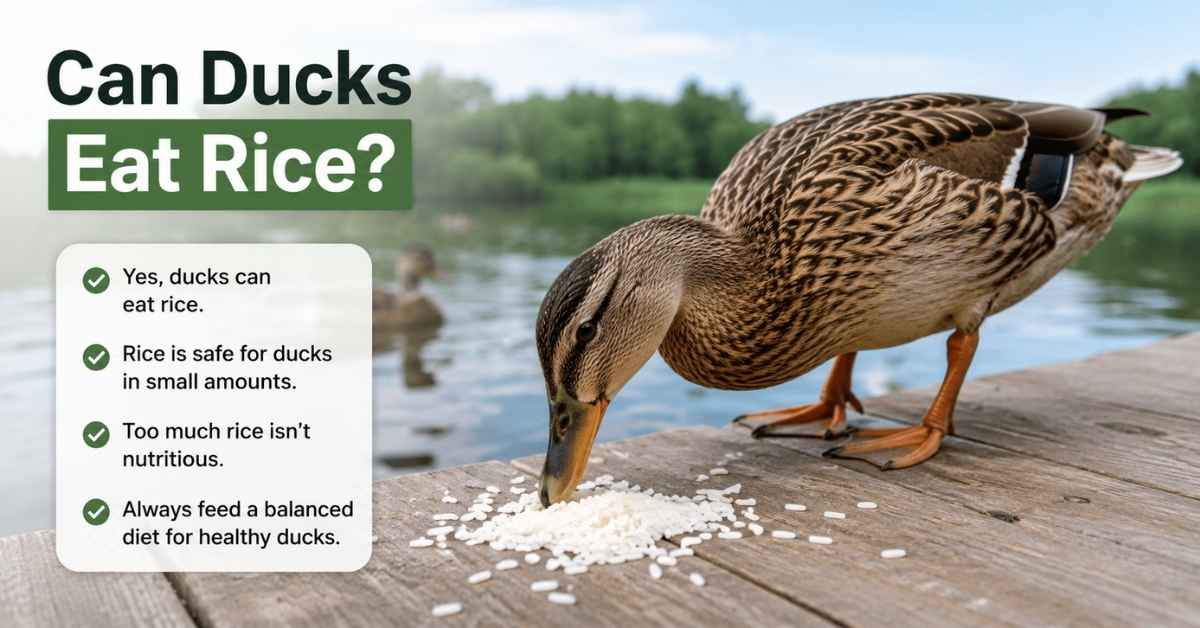
Can ducks eat rice? Yes, ducks can eat rice safely. Both cooked rice and uncooked rice are generally safe for ducks when offered in moderation. Rice provides carbohydrates that give ducks energy, but it should be considered an occasional treat rather than a replacement for a balanced duck diet. Contrary to a popular bird-feeding myth, rice does not explode in a duck’s stomach, nor does it harm healthy ducks when fed appropriately.
Many people visit parks, ponds, and lakes with leftover rice and wonder whether it is safe to feed ducks. Others have heard conflicting information about the famous wedding rice myth and want to know the truth. The reality is that ducks can digest rice without difficulty, but some types of rice and rice-based products are better choices than others.
In this guide, you’ll learn everything about feeding rice to ducks, including white rice, brown rice, wild rice, rice cereal, rice cakes, rice crackers, rice grains, Rice Krispies, and more. You’ll also discover which foods are healthiest for ducks and which foods should be avoided.
Quick Answer: Can Ducks Eat Rice?
| Question | Answer |
|---|---|
| Can ducks eat rice? | Yes |
| Can ducks eat cooked rice? | Yes |
| Can ducks eat uncooked rice? | Yes |
| Can ducklings eat rice? | Yes, in small amounts |
| Is brown rice safe for ducks? | Yes |
| Is wild rice safe for ducks? | Yes |
| Is rice healthier than bread? | Yes |
| Should rice be a staple food? | No |
Quick Fact: Rice is far healthier for ducks than bread because it contains more nutrients and does not contribute to the nutritional problems associated with excessive bread feeding.
Can Ducks Eat Rice Safely?
The simple answer is yes. Ducks can safely consume rice as part of a varied diet. Their digestive system is fully capable of breaking down grains, including rice.
Rice is not toxic to ducks, and it does not cause digestive blockages. Wild ducks naturally consume a variety of seeds, grains, aquatic plants, and vegetation. Rice fits within this broader category of foods that ducks can process effectively.
For backyard ducks, pet ducks, and wild ducks, rice can serve as a supplemental food source when fed responsibly.
Why Rice Is Safe for Ducks
Rice contains carbohydrates, small amounts of protein, and trace nutrients that can provide energy. Ducks regularly consume grain-like foods in nature, making rice a compatible addition to their diet.
Several wildlife organizations and waterfowl experts have clarified that feeding rice to birds does not pose the danger many people assume.
Can Ducks Digest Rice Properly?
Yes. Ducks possess a digestive system designed to process grains and plant matter. Rice is broken down and converted into usable energy.
Whether the rice is cooked or uncooked, ducks can digest it effectively. The texture changes during cooking, but the digestive process remains largely the same.
Does Rice Expand in a Duck’s Stomach?
One of the most persistent bird-feeding myths claims that uncooked rice expands dramatically inside birds and causes fatal injuries.
This claim is false.
Rice absorbs water during cooking, but it does not suddenly expand inside a duck’s stomach in a way that causes harm. Ducks have strong digestive systems capable of handling grains without issue.
Can Rice Harm Ducks?
Rice itself is not harmful. Problems typically arise when:
- Ducks are overfed.
- Rice replaces a balanced diet.
- Rice contains seasonings, salt, oil, or additives.
- Processed rice products are fed frequently.
Plain rice is safe. Highly processed rice foods require more caution.
The Truth About the Wedding Rice Myth
The wedding rice myth likely began decades ago when people speculated that birds would eat uncooked rice, which would then swell inside their stomachs.
The story spread widely, but it was never supported by scientific evidence.
Myth vs Fact
| Myth | Fact |
|---|---|
| Rice explodes in a duck’s stomach | False |
| Uncooked rice kills birds | False |
| Birds cannot digest rice | False |
| Rice is toxic to waterfowl | False |
| Rice is safe in moderation | True |
Today, wildlife experts generally agree that feeding small amounts of plain rice to ducks does not present a health risk.
Is Rice Good for Ducks Nutritionally?
Rice can be a useful source of energy, but it is not a complete food.
Ducks require a wide range of nutrients, including:
- Protein
- Vitamins
- Minerals
- Amino acids
- Healthy fats
- Fiber
Rice provides carbohydrates but lacks many nutrients required for optimal waterfowl health.
Nutritional Value of Rice for Ducks
| Nutrient | White Rice | Brown Rice |
|---|---|---|
| Carbohydrates | High | High |
| Protein | Low | Moderate |
| Fiber | Low | Higher |
| Vitamins | Limited | Better |
| Minerals | Limited | Better |
Benefits of Feeding Rice to Ducks
Rice offers several advantages:
- Easy to digest
- Provides energy
- Affordable
- Readily available
- Better than bread
- Suitable for wild and domestic ducks
Potential Drawbacks of Feeding Too Much Rice
While rice is safe, excessive feeding can create issues.
Possible concerns include:
- Nutrient deficiencies
- Reduced dietary variety
- Weight gain
- Poor overall nutrition
Rice should complement a balanced diet rather than become the primary food source.
Rice as a Treat vs a Staple Food
Think of rice as a supplemental feeding option rather than a complete duck feed.
Healthy duck diets should include:
- Commercial duck pellets
- Aquatic vegetation
- Leafy greens
- Peas
- Corn
- Oats
- Seeds
- Natural forage foods
How Rice Fits Into a Balanced Duck Diet
Wild ducks naturally consume diverse foods throughout the year.
Natural Duck Diet Includes:
| Food Category | Examples |
|---|---|
| Aquatic plants | Duckweed, pond plants |
| Seeds | Grass seeds, wild seeds |
| Grains | Rice, oats, corn |
| Insects | Beetles, larvae |
| Vegetation | Lettuce, greens |
| Small aquatic life | Snails, tiny crustaceans |
Rice should only represent a small portion of this broader nutritional profile.
Can Ducks Eat Different Types of Rice?
Not all rice is identical. Some varieties offer better nutritional value than others.
Can Ducks Eat White Rice?
Yes.
White rice is safe and commonly fed to ducks. It provides carbohydrates for energy but contains fewer nutrients than whole-grain alternatives.
White rice works best as an occasional treat.
Can Ducks Eat Brown Rice?
Yes.
Brown rice is often considered the healthier choice because it retains the bran layer.
Benefits include:
- More fiber
- More vitamins
- More minerals
- Better nutrient density
For many duck owners, brown rice is preferable to white rice.
Can Ducks Eat Wild Rice?
Yes.
Wild rice contains higher levels of protein and nutrients than many traditional rice varieties.
Among rice options, wild rice is one of the most nutritious choices for ducks.
Can Ducks Eat Jasmine Rice?
Yes.
Plain jasmine rice is safe for ducks when cooked or uncooked. It should be free from seasonings and sauces.
Can Ducks Eat Basmati Rice?
Yes.
Basmati rice is another safe grain option. Like other rice varieties, it should be served plain and in moderation.
Can Ducks Eat Black Rice?
Yes.
Black rice contains antioxidants and additional nutrients. It can be safely fed as part of a varied diet.
Can Ducks Eat Red Rice?
Yes.
Red rice is rich in natural plant compounds and can be offered occasionally.
Can Ducks Eat Instant Rice?
Yes, if it is plain.
However, instant rice products sometimes contain additives or flavorings. Always check ingredients before feeding.
Can Ducks Eat Rice Grains?
Yes.
Can ducks eat rice grains? Absolutely. Ducks can consume plain rice grains, including uncooked rice grains. Their digestive system can process them effectively.
Cooked vs Uncooked Rice for Ducks
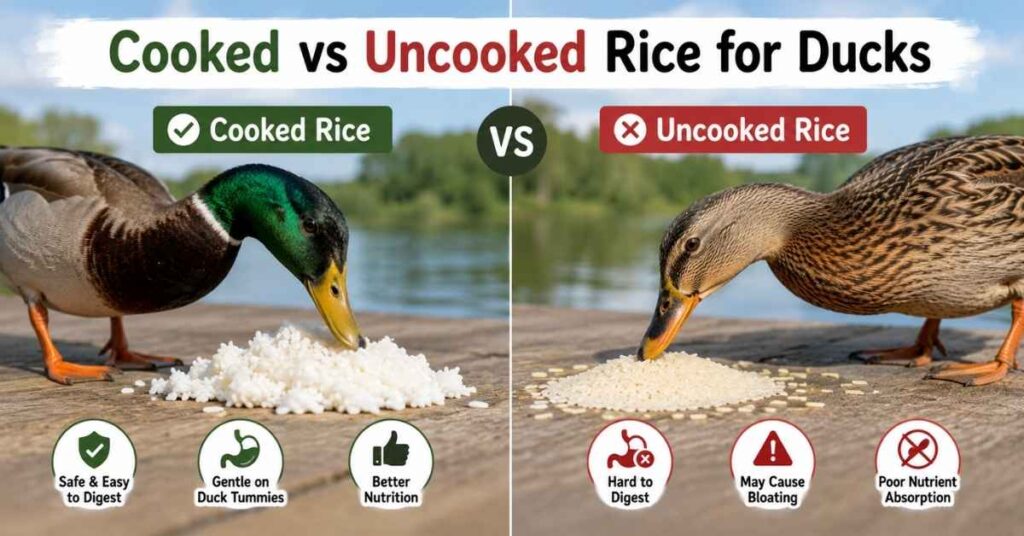
One of the most common questions is whether cooked rice is safer than raw rice.
The good news is that both are generally safe.
Can Ducks Eat Cooked Rice?
Yes.
Cooked rice is soft, easy to eat, and simple for ducks to digest.
Benefits include:
- Softer texture
- Easier consumption
- Suitable for younger ducks
Cooked white rice, cooked brown rice, and cooked wild rice are all acceptable options.
Can Ducks Eat Uncooked Rice?
Yes.
Uncooked rice is safe for ducks and does not cause stomach expansion or digestive damage.
Wild birds regularly consume hard seeds and grains, making uncooked rice a natural food source.
Which Is Better: Cooked or Raw Rice?
| Factor | Cooked Rice | Uncooked Rice |
|---|---|---|
| Digestibility | Excellent | Excellent |
| Texture | Soft | Firm |
| Convenience | Requires preparation | Ready to use |
| Nutrition | Similar | Similar |
Both options work well.
Does Cooking Change Rice Nutrition?
Cooking primarily changes texture and moisture content. Nutritional differences are generally small.
Can Ducks Eat Leftover Rice?
Yes, provided the rice is:
- Plain
- Fresh
- Free from sauces
- Free from salt
- Free from seasonings
Avoid feeding spoiled or moldy rice.
Can Ducks Eat Cold Rice?
Yes.
Cold cooked rice is generally safe as long as it remains fresh and uncontaminated.
Can Ducklings Eat Rice?
Many owners worry more about baby ducks than adults.
Can Baby Ducks Eat Rice?
Yes, baby ducks can eat small amounts of plain rice.
However, rice should never replace starter feed formulated for growing ducklings.
Is Rice Safe for Ducklings?
Rice is safe when offered occasionally and in small quantities.
Young ducks require higher protein levels than adults, making specialized duckling feed a better primary food source.
How Much Rice Can Young Ducks Eat?
Only small portions should be offered.
Ducklings need nutrient-dense foods rather than carbohydrate-heavy treats.
Better Foods for Growing Ducklings
Healthier options include:
- Starter duck feed
- Crumbled waterfowl feed
- Finely chopped greens
- Peas
- Small insects
- High-protein supplements
Rice can be included occasionally but should never become the foundation of a duckling’s diet.
Can Ducks Eat Rice-Based Foods?
Many people don’t just have plain rice available. They often have breakfast cereals, snacks, crackers, or rice cakes at home and wonder whether ducks can safely eat them.
While plain rice is generally safe, processed rice products require closer attention because they may contain added sugar, salt, preservatives, oils, and artificial ingredients.
Can Ducks Eat Rice Cereal?
Can ducks eat rice cereal? Yes, ducks can eat plain rice cereal in small amounts.
However, not all rice cereals are equal.
Plain rice cereal with minimal ingredients is safer than heavily sweetened breakfast cereals.
When Rice Cereal Is Safe
Rice cereal is generally acceptable when it contains:
- Plain rice
- Minimal sugar
- No chocolate
- No artificial sweeteners
- No excessive sodium
When Rice Cereal Should Be Avoided
Avoid cereals containing:
- Marshmallows
- Chocolate
- Artificial flavorings
- High sugar content
- Artificial colors
Rice cereal should remain an occasional treat rather than a regular part of a duck’s diet.
Can Ducks Eat Rice Crispies?
Can ducks eat rice crispies? Technically yes, but only occasionally.
Rice crispies are processed foods designed for humans rather than waterfowl.
While a few pieces are unlikely to harm healthy ducks, they provide limited nutritional value.
Nutritional Concerns
Many rice crispies products contain:
- Added sugar
- Fortified ingredients
- Artificial flavorings
- Refined carbohydrates
For ducks, plain grains are always preferable.
Can Ducks Eat Rice Krispies?
Can ducks eat rice krispies? Yes, but they are not an ideal duck food.
Rice Krispies consist primarily of puffed rice and therefore are not toxic.
However, ducks benefit far more from:
- Oats
- Corn
- Peas
- Duck pellets
- Natural forage foods
Rice Krispies should only be fed occasionally.
Can Ducks Eat Rice Crispy Cereal?
Can ducks eat rice crispy cereal? Small amounts are generally safe, but plain rice remains the better option.
Rice crispy cereal contains processed ingredients that do not contribute significantly to balanced duck nutrition.
Can Ducks Eat Rice Krispies Cereal?
Can ducks eat rice krispies cereal? Yes, but moderation is essential.
If you’re feeding wild ducks, choosing natural grains rather than processed cereals is a more responsible option.
Are Sweetened Rice Cereals Safe for Ducks?
Generally, sweetened cereals should be avoided.
Ducks do not need:
- Added sugar
- Artificial sweeteners
- Flavor enhancers
- Food dyes
Excess sugar can contribute to poor dietary habits and nutritional imbalances.
Which Breakfast Cereals Should Ducks Avoid?
Avoid cereals containing:
| Cereal Type | Recommendation |
|---|---|
| Chocolate cereal | Avoid |
| Marshmallow cereal | Avoid |
| Frosted cereal | Avoid |
| High-sugar cereal | Avoid |
| Plain rice cereal | Occasionally |
| Unsweetened cereal | Limited amounts |
Can Ducks Eat Rice Cakes and Rice Snacks?
Rice-based snacks often appear healthier than they actually are.
Most rice snacks are heavily processed compared to plain rice grains.
Can Ducks Eat Rice Cake?
Can ducks eat rice cake? Plain unsalted rice cake pieces can be fed occasionally.
However, many commercial rice cakes contain:
- Salt
- Flavorings
- Artificial ingredients
These additives make them less suitable for ducks.
Can Ducks Eat Rice Cakes?
Can ducks eat rice cakes? Yes, but only if they are plain and offered sparingly.
Rice cakes provide carbohydrates but very little nutritional value compared with healthier duck foods.
Can Ducks Eat Rice Crackers?
Can ducks eat rice crackers? Rice crackers are generally not recommended.
Many rice crackers contain:
- High sodium levels
- Oils
- Preservatives
- Artificial seasonings
These ingredients are not ideal for waterfowl health.
Why Processed Rice Snacks Can Be Problematic
Processed snacks often contain ingredients that ducks would never encounter in their natural diet.
Potential concerns include:
- Excess sodium
- Added sugar
- Artificial preservatives
- Unnecessary calories
Whenever possible, choose plain grains instead.
Rice Safety Comparison Table
| Rice Product | Safe? | Recommended? | Notes |
|---|---|---|---|
| White Rice | Yes | Yes | Good occasional treat |
| Brown Rice | Yes | Highly Recommended | More nutrients |
| Wild Rice | Yes | Excellent | Higher protein |
| Rice Grains | Yes | Yes | Natural grain |
| Rice Cereal | Limited | Occasionally | Check ingredients |
| Rice Krispies | Limited | Rarely | Processed |
| Rice Crispies | Limited | Rarely | Added ingredients |
| Rice Cakes | Limited | Occasionally | Plain only |
| Rice Crackers | Not Ideal | Avoid | High sodium |
| Fried Rice | No | Avoid | Oil and seasoning |
| Seasoned Rice | No | Avoid | Salt and additives |
Rice vs Other Foods Ducks Eat
Not all duck foods provide equal nutritional value.
Rice vs Bread
This is one of the most important comparisons.
| Category | Rice | Bread |
|---|---|---|
| Nutritional Value | Better | Poor |
| Natural Food Source | Yes | No |
| Risk of Nutritional Deficiencies | Lower | Higher |
| Recommended | Yes | Limited |
Bread fills ducks up without supplying many essential nutrients.
Rice is a far healthier choice.
Rice vs Oats
Oats are often considered one of the best grains for ducks.
Benefits of oats:
- More fiber
- Better nutrient profile
- Easily digestible
- Natural food source
Oats generally outperform rice nutritionally.
Rice vs Corn
Corn provides:
- Energy
- Carbohydrates
- Natural appeal to ducks
Rice and corn are fairly similar as energy sources, though variety remains important.
Rice vs Peas
Peas are among the healthiest duck treats.
Advantages include:
- Higher protein
- Better vitamin content
- More minerals
Peas are nutritionally superior to rice.
Rice vs Bird Seed
Bird seed mixtures often contain:
- Millet
- Sunflower seeds
- Cracked corn
These foods mimic a more natural waterfowl diet than rice alone.
Rice vs Duck Pellets
Commercial duck feed remains the gold standard.
Why Duck Pellets Win
Duck pellets provide:
- Complete nutrition
- Balanced vitamins
- Essential minerals
- Protein requirements
- Proper nutrient ratios
Rice should supplement duck pellets, not replace them.
Which Food Is Healthiest for Ducks?
Top Healthy Duck Foods
| Rank | Food |
|---|---|
| 1 | Duck Pellets |
| 2 | Peas |
| 3 | Oats |
| 4 | Bird Seed |
| 5 | Leafy Greens |
| 6 | Corn |
| 7 | Brown Rice |
| 8 | White Rice |
| 9 | Rice Cereal |
| 10 | Bread |
What Foods Should Ducks Never Eat?
Responsible wildlife feeding means understanding which foods pose risks.
Bread
Bread is not toxic, but excessive feeding contributes to:
- Poor nutrition
- Dependency
- Environmental problems
Chocolate
Chocolate contains compounds that are dangerous to birds.
Avocado
Avocado contains persin, which can be harmful to many bird species.
Moldy Foods
Mold may produce toxins that threaten bird health.
Salty Snacks
Avoid:
- Chips
- Pretzels
- Salted crackers
- Rice crackers with seasoning
Sugary Foods
Avoid:
- Candy
- Sweet pastries
- Sugary cereals
Processed Human Foods
Highly processed foods provide little value for ducks.
Fried Foods
Excess oil and fat make fried foods unsuitable.
What Do Ducks Naturally Eat in the Wild?
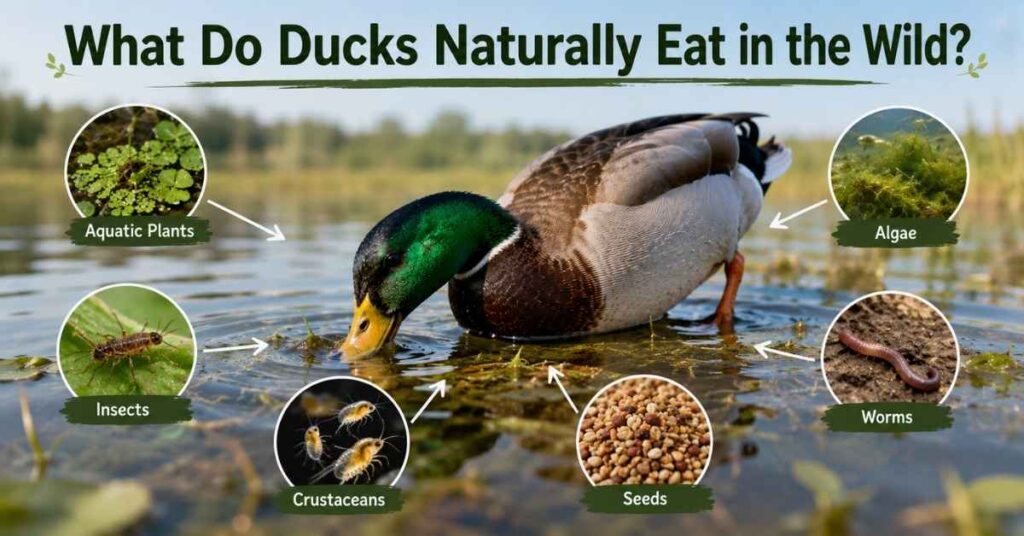
Understanding natural duck feeding habits helps explain why some foods are better than others.
Natural Duck Diet
Wild ducks consume:
- Aquatic plants
- Seeds
- Grains
- Insects
- Small aquatic organisms
- Vegetation
Aquatic Plants
Duckweed and other water plants form a major part of many ducks’ diets.
Seeds and Grains
Natural seeds provide energy and nutrients.
Insects and Small Aquatic Creatures
Protein-rich food sources support healthy growth and feather development.
Seasonal Feeding Habits
Duck diets change throughout the year depending on food availability.
During migration and breeding seasons, ducks often require more energy and protein.
Best Foods to Feed Ducks
If your goal is supporting waterfowl health, focus on nutrient-rich options.
Healthy Grains
- Oats
- Brown rice
- Wild rice
- Cracked corn
Vegetables Ducks Love
- Lettuce
- Kale
- Spinach
- Peas
Fruits Ducks Can Eat
- Grapes
- Berries
- Watermelon
Protein-Rich Foods
- Mealworms
- Insects
- Waterfowl pellets
Commercial Duck Feed
Commercial duck feed offers the most balanced nutrition available.
Responsible Duck Feeding Tips
Feeding Ducks in Parks
Feed only small amounts and avoid overcrowding feeding areas.
Avoiding Overfeeding
Excess food can pollute ponds and waterways.
Protecting Local Waterways
Uneaten food contributes to poor water quality.
Supporting Waterfowl Health
Focus on nutrient-rich foods rather than processed snacks.
Wildlife Conservation Considerations
Responsible feeding benefits both ducks and their environment.
“The best duck food is the food that most closely resembles what ducks naturally eat.”
Common Myths About Feeding Ducks
Myth: Rice Explodes in a Duck’s Stomach
False.
Myth: Uncooked Rice Kills Birds
False.
Myth: Bread Is the Best Food for Ducks
False.
Myth: Ducks Can Eat Anything Humans Eat
False.
Myth: All Grains Are Equal
False.
Some grains offer significantly better nutritional value than others.
Expert Recommendations on Feeding Rice to Ducks
Wildlife experts generally agree on several principles:
- Rice is safe.
- Plain rice is best.
- Brown rice offers more nutrition.
- Rice should be fed in moderation.
- Processed rice products should be limited.
- Balanced nutrition remains essential.
For backyard ducks, rice works well as an occasional supplement.
For wild ducks, rice is far better than bread but should still be part of a varied feeding approach.
Frequently Asked Questions
Can Ducks Eat Rice?
Yes. Ducks can eat rice safely, including both cooked and uncooked rice. Rice provides carbohydrates that serve as an energy source, but it should be offered as part of a varied and balanced diet rather than as a primary food.
Can Ducks Eat Rice Safely?
Absolutely. Plain rice is considered safe for wild ducks, backyard ducks, and pet ducks. Problems typically arise only when rice is heavily processed or fed excessively.
Can Ducks Eat Cooked Rice?
Yes. Cooked rice is soft, easy to eat, and simple to digest. Both cooked white rice and cooked brown rice are suitable for ducks.
Can Ducks Eat Uncooked Rice?
Yes. The belief that uncooked rice expands inside birds and causes harm is a myth. Ducks can digest uncooked rice grains without difficulty.
Can Ducks Eat Rice Grains?
Yes. Can ducks eat rice grains? Plain rice grains are perfectly safe and resemble many of the grains ducks naturally consume in the wild.
Can Ducks Eat Rice Cereal?
Yes, but only in moderation. Plain rice cereal with minimal ingredients is generally safe. Avoid products that contain excessive sugar, chocolate, artificial sweeteners, or flavorings.
Can Ducks Eat Rice Crackers?
Rice crackers are not the best option. While a small amount may not cause immediate harm, most rice crackers contain sodium, preservatives, and seasonings that ducks do not need.
Can Ducks Eat Rice Cake?
Yes. Can ducks eat rice cake? Plain, unsalted rice cakes can be offered occasionally. Flavored rice cakes should be avoided.
Can Ducks Eat Rice Cakes?
Yes, but only as a rare treat. Rice cakes provide carbohydrates but lack the nutrient density of healthier duck foods.
Can Ducks Eat Rice Crispies?
Yes. Can ducks eat rice crispies? Small amounts are generally safe, but they should not become a regular food source because they are processed and often contain added ingredients.
Can Ducks Eat Rice Krispies?
Yes. Can ducks eat rice krispies? Rice Krispies are not toxic to ducks, but plain grains, oats, peas, and duck pellets provide better nutrition.
Can Ducks Eat Rice Krispies Cereal?
Yes, occasionally. Rice Krispies cereal should be viewed as an occasional treat rather than a healthy staple food.
Can Ducks Eat Rice Crispy Cereal?
Yes, in small amounts. However, plain rice is a far better option than processed breakfast cereals.
Can Ducklings Eat Rice?
Yes. Ducklings can eat small amounts of rice, but their primary nutrition should come from high-quality starter feed designed specifically for growing waterfowl.
Does Rice Expand in a Duck’s Stomach?
No. This is one of the most widespread bird-feeding myths. Rice does not suddenly expand inside a duck’s stomach and does not cause digestive explosions.
Is Brown Rice Better Than White Rice for Ducks?
Generally, yes. Brown rice contains more fiber, vitamins, and minerals than white rice, making it the more nutritious option.
What Is the Best Food for Ducks?
The healthiest foods for ducks include:
- Commercial duck pellets
- Peas
- Oats
- Leafy greens
- Bird seed
- Aquatic plants
These foods provide a broader range of nutrients than rice alone.
What Foods Should Ducks Avoid?
Avoid feeding ducks:
- Chocolate
- Avocado
- Moldy foods
- Salty snacks
- Sugary foods
- Fried foods
- Highly processed foods
How Often Can Ducks Eat Rice?
Rice should be offered occasionally rather than daily. Variety is essential for maintaining good duck nutrition.
Can Ducks Eat Rice Every Day?
They can, but it is not recommended. A diet centered on rice may contribute to nutritional deficiencies over time because rice lacks many essential nutrients ducks require.
Case Study: Rice vs Bread for Feeding Ducks
Many people still bring bread to ponds and lakes because it has traditionally been considered duck food. However, wildlife experts increasingly encourage healthier alternatives.
Scenario
A family visits a local pond with two food options:
- White bread
- Plain brown rice
Outcome
| Factor | Bread | Brown Rice |
|---|---|---|
| Energy Source | Moderate | Moderate |
| Nutritional Value | Low | Better |
| Fiber Content | Low | Higher |
| Mineral Content | Low | Higher |
| Suitable for Ducks | Limited | Better Choice |
In this comparison, brown rice provides more nutritional value and aligns more closely with foods ducks naturally consume.
Rice Nutrition Comparison for Ducks
The table below shows how rice compares with other popular duck foods.
| Food | Nutritional Score | Protein | Fiber | Recommended |
|---|---|---|---|---|
| Duck Pellets | 10/10 | High | Moderate | Yes |
| Peas | 9/10 | High | High | Yes |
| Oats | 9/10 | Moderate | High | Yes |
| Wild Rice | 8/10 | Moderate | Moderate | Yes |
| Brown Rice | 8/10 | Moderate | Moderate | Yes |
| Bird Seed | 8/10 | Moderate | Moderate | Yes |
| Corn | 7/10 | Low | Moderate | Yes |
| White Rice | 7/10 | Low | Low | Yes |
| Rice Cereal | 5/10 | Low | Low | Limited |
| Rice Cakes | 4/10 | Low | Low | Rarely |
| Rice Crackers | 3/10 | Low | Low | Avoid |
| Bread | 2/10 | Low | Low | Limited |
Signs of a Healthy Duck Diet
A healthy duck diet typically includes:
- Multiple food sources
- Balanced nutrition
- Natural forage opportunities
- Adequate protein
- Vitamins and minerals
- Healthy body condition
A diet based solely on rice or any single food item cannot provide all the nutrients ducks need.
READ MORE: Can Ducks Eat Tomatoes?
Topical Authority: Everything Ducks Can Eat
For readers researching duck nutrition, here are additional foods commonly considered safe:
Vegetables
- Peas
- Lettuce
- Kale
- Spinach
- Cucumber
- Zucchini
Fruits
- Blueberries
- Strawberries
- Grapes
- Watermelon
- Apples without seeds
Grains
- Rice
- Oats
- Corn
- Barley
- Wheat
Protein Sources
- Mealworms
- Insects
- Aquatic invertebrates
This dietary diversity mirrors natural waterfowl feeding habits far better than relying on a single food source.
Key Takeaways
If you only remember a few things about feeding rice to ducks, remember these points:
Ducks can safely eat rice.
Cooked and uncooked rice are both safe.
Rice does not explode inside a duck’s stomach.
Brown rice and wild rice offer more nutrients than white rice.
Rice is healthier than bread.
The Rice cereal, Rice Krispies, and rice cakes can be fed occasionally but are not ideal.
Rice crackers should generally be avoided because of added sodium and seasonings.
Ducklings can eat small amounts of rice but need specialized feed for proper growth.
A balanced duck diet should include grains, vegetables, protein sources, and quality duck feed.
Conclusion
Can ducks eat rice? The answer is yes. Rice is a safe and practical food for ducks when offered in moderation. Both cooked rice and uncooked rice can be digested easily, and the long-standing myth that rice harms birds has been thoroughly disproven.
While rice can provide energy through carbohydrates, it should never replace a balanced diet rich in protein, fiber, vitamins, minerals, and natural forage foods. Brown rice, wild rice, oats, peas, leafy greens, bird seed, and commercial duck pellets all contribute to better overall nutrition.
Whether you’re feeding ducks at a local pond, caring for backyard ducks, or raising ducklings, the best approach is variety. Rice can certainly be part of a healthy feeding plan, but responsible waterfowl feeding always focuses on nutritional balance rather than convenience.
When fed properly, rice is not only safe—it is one of the better alternatives to bread and can be included as part of a thoughtful, healthy duck diet.