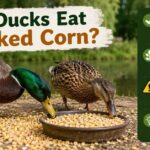
Can ducks eat cracked corn? Yes, ducks can eat cracked corn safely when it is offered in moderation as part of a balanced diet. Cracked corn is a popular grain among backyard duck keepers because it provides quick energy, especially during colder months. However, it should never replace a high-quality duck feed that supplies the protein, vitamins, minerals, and nutrients ducks need for healthy growth and development.
Many new duck owners wonder whether feeding cracked corn to ducks is healthy or harmful. The answer depends on how much you feed, the age of your ducks, and whether cracked corn is being used as a treat or as a primary food source.
In this guide, you’ll learn how much cracked corn ducks can eat, what age ducks can eat cracked corn, whether ducks can eat cracked corn in the winter, and the best ways to include this grain in a nutritious feeding plan.
Can Ducks Eat Cracked Corn Safely?
The Short Answer
Yes, cracked corn is safe for ducks when fed appropriately. Ducks can digest cracked corn easily because it is simply dried corn kernels that have been broken into smaller pieces.
Many poultry owners use cracked corn as an occasional treat because it is affordable, widely available, and easy for ducks to consume.
However, cracked corn is not a complete feed. While it supplies energy-rich carbohydrates, it lacks sufficient protein and several essential nutrients required by growing ducklings and adult ducks.
Why Ducks Can Digest Cracked Corn Easily
Ducks naturally consume a variety of grains and seeds in the wild. Their digestive systems are well-equipped to process foods such as:
- Corn
- Wheat
- Millet
- Barley
- Oats
- Small seeds
Because cracked corn has already been broken into smaller particles, many ducks find it easier to eat than whole-kernel corn.
For backyard flocks, cracked corn often serves as a supplemental grain rather than a dietary staple.
Is Cracked Corn a Treat or a Complete Feed?

This distinction is extremely important.
Think of cracked corn as an energy supplement, not a complete nutritional package.
A quality commercial waterfowl feed or duck pellet typically contains:
| Nutrient | Balanced Duck Feed | Cracked Corn |
|---|---|---|
| Protein | High | Low |
| Vitamins | Balanced | Minimal |
| Minerals | Balanced | Minimal |
| Amino Acids | Present | Limited |
| Energy | Moderate | High |
While ducks enjoy cracked corn, they still require protein-rich foods and balanced nutrition to maintain:
- Healthy feathers
- Strong immune systems
- Proper growth
- Egg production
- Healthy weight
What Makes Cracked Corn Appealing to Ducks?
Nutritional Profile of Cracked Corn
Cracked corn primarily provides:
- Carbohydrates
- Energy
- Small amounts of protein
- Limited fiber
The biggest nutritional advantage of corn is its ability to provide readily available calories.
For active ducks that spend their days foraging, swimming, and exploring, those calories can be useful when fed responsibly.
Why Ducks Naturally Enjoy Corn
If you’ve ever tossed a handful of cracked corn into a duck run, you’ve probably noticed how quickly ducks respond.
Corn appeals to ducks because:
- It is easy to eat
- It has a pleasant taste
- It provides quick energy
- It resembles grains found naturally in many environments
Many backyard duck keepers report that corn is one of the first treats ducks learn to recognize.
How Cracked Corn Differs From Whole Corn
Many people compare cracked corn vs whole corn when deciding what to feed their flock.
Here’s a simple comparison:
| Feature | Cracked Corn | Whole Corn |
|---|---|---|
| Ease of Eating | High | Moderate |
| Digestibility | Slightly Easier | Good |
| Feeding Convenience | High | Moderate |
| Nutritional Value | Similar | Similar |
For most domestic ducks, cracked corn is often the more practical option because smaller pieces are easier to consume.
Benefits of Feeding Cracked Corn to Ducks
Quick Energy for Active Ducks
One of the biggest advantages of cracked corn is its energy content.
The carbohydrates found in corn are converted into energy that ducks can use throughout the day.
This makes cracked corn useful for:
- Free-ranging ducks
- Active backyard flocks
- Ducks exposed to cold weather
- Ducks needing supplemental calories
Helpful Supplement During Cold Weather
Many experienced duck keepers increase corn treats slightly during winter.
When temperatures drop, ducks expend more energy maintaining body heat.
The extra calories found in cracked corn can help support those increased energy demands.
However, this doesn’t mean ducks should live on corn alone.
Balanced nutrition remains the priority.
Easy and Affordable Feed Addition
Compared with specialty poultry products, cracked corn is usually inexpensive and easy to find.
Many feed stores stock cracked corn year-round, making it a convenient addition to a feeding routine.
Useful for Free-Range and Backyard Flocks
For backyard duck owners, cracked corn can serve several practical purposes:
- Encouraging ducks to return to the coop
- Providing occasional enrichment
- Supplementing winter diets
- Rewarding ducks during training
Many duck owners use small amounts of cracked corn to build positive feeding habits.
Practical Example
Imagine a flock of six adult ducks.
The ducks spend most of the day free-ranging and eating a balanced waterfowl feed. In the evening, the owner offers a small handful of cracked corn as a treat before the ducks return to their shelter.
In this situation, cracked corn complements the diet without replacing essential nutrients.
Can Ducks Eat Cracked Corn in the Winter?
Why Corn Is Popular During Winter Feeding
A common question among poultry keepers is:
Can ducks eat cracked corn in the winter?
The answer is yes.
Winter feeding is one of the most common reasons duck owners use cracked corn.
As temperatures fall, ducks require more energy to stay active and maintain body warmth. Since cracked corn is rich in carbohydrates, it can help provide supplemental calories during cold weather.
Does Cracked Corn Help Ducks Stay Warm?
A common misconception is that corn somehow creates heat directly.
That’s not exactly how it works.
Cracked corn helps ducks stay warm indirectly by providing energy. During digestion and normal body processes, ducks convert those calories into usable fuel.
This energy helps support:
- Movement
- Body maintenance
- Temperature regulation
- Daily activity
The corn itself doesn’t generate warmth, but the calories contribute to overall energy needs.
Winter Feeding Guidelines for Backyard Ducks
When feeding cracked corn during winter:
- Offer it as a supplement, not the main meal.
- Continue providing balanced duck feed.
- Ensure access to fresh water.
- Avoid excessive portions.
Many experienced duck keepers provide corn later in the day when temperatures begin to drop.
Expert Insight
One of the biggest mistakes beginners make is replacing quality feed with large amounts of corn during winter.
Although corn supplies energy, it does not provide the protein, amino acids, vitamins, and minerals ducks need to remain healthy throughout the season.
A balanced waterfowl feed should always remain the foundation of the diet.
What Age Can Ducks Eat Cracked Corn?
Can Ducklings Eat Cracked Corn?
This is where many new duck owners become confused.
Young ducklings have very different nutritional needs than adult ducks.
Ducklings require:
- Higher protein levels
- Balanced amino acids
- Essential vitamins
- Growth-supporting nutrients
Because cracked corn is relatively low in protein, it should not be a major food source for young ducklings.
What Age Can Ducks Eat Cracked Corn Safely?
Many poultry keepers introduce very small amounts of cracked corn once ducks are older and already consuming a balanced starter feed.
The exact timing varies depending on breed and growth stage, but cracked corn should remain a treat rather than a dietary staple.
The priority during early development is always proper nutrition and healthy growth.
Feeding Cracked Corn to Juvenile Ducks
As ducks mature, small amounts of cracked corn can be introduced more regularly.
The key is moderation.
Young ducks still benefit most from feeds specifically formulated for their growth requirements.
Risks of Introducing Cracked Corn Too Early
Feeding excessive corn too early may contribute to:
- Reduced protein intake
- Slower growth
- Nutritional imbalances
- Poor feather development
For this reason, most experienced duck keepers focus on balanced nutrition first and treats second.
How Much Cracked Corn Should Ducks Eat?
One of the most common questions backyard duck owners ask is “How much cracked corn should ducks eat?”
The answer depends on the duck’s age, activity level, and overall diet. While cracked corn can be a valuable energy source, it should only make up a small portion of a duck’s daily food intake.
A good rule followed by many experienced poultry keepers is the 90/10 guideline:
- 90% balanced duck feed
- 10% treats and supplemental foods
Since cracked corn falls into the treat category, it should not replace a nutritionally complete feed.
Recommended Treat Percentage for Ducks
Treats are enjoyable for ducks, but too many treats can create nutritional imbalances.
A balanced duck diet should prioritize:
- Commercial duck feed
- Waterfowl pellets
- Foraging opportunities
- Healthy vegetables
- Protein-rich foods
Cracked corn should be viewed as an occasional supplement rather than a daily staple.
Feeding Amounts by Age and Life Stage

| Life Stage | Cracked Corn Recommendation |
|---|---|
| Young Ducklings | Very limited or avoid as primary food |
| Juvenile Ducks | Small occasional amounts |
| Adult Ducks | Moderate treat portions |
| Senior Ducks | Small to moderate portions depending on activity |
The more active your ducks are, the more efficiently they can utilize extra calories from grains.
Signs You May Be Feeding Too Much Cracked Corn
Watch for these warning signs:
- Excessive weight gain
- Reduced interest in balanced feed
- Increased treat-seeking behavior
- Poor feather condition
- Reduced egg production in laying ducks
If these signs appear, reduce treat consumption and focus on nutritionally complete feed.
Potential Risks of Feeding Too Much Cracked Corn
H3: Nutritional Imbalances
Although cracked corn provides energy, it lacks many nutrients ducks need every day.
Overfeeding corn can reduce the intake of:
- Protein
- Vitamins
- Minerals
- Essential amino acids
When ducks fill up on corn, they may consume less of the foods that truly support long-term health.
Weight Gain and Obesity Risks
Because cracked corn is high in carbohydrates and calories, excessive consumption may contribute to weight gain.
Overweight ducks can experience:
- Reduced mobility
- Lower activity levels
- Increased stress on joints
- Potential reproductive issues
This is particularly important for backyard ducks with limited space for exercise.
Reduced Protein Intake
Protein plays a major role in:
- Feather development
- Muscle maintenance
- Growth
- Egg production
Since cracked corn contains relatively little protein, relying on it heavily can create nutritional deficiencies.
Lower Overall Diet Quality
A duck that consumes too much cracked corn may not receive the balanced nutrition needed for optimal health.
Think of cracked corn as a supplement rather than a foundation.
Real-World Scenario
Consider two backyard flocks.
The first flock receives quality waterfowl feed daily with occasional cracked corn treats.
The second flock receives large amounts of cracked corn and limited balanced feed.
Over time, the first flock is more likely to maintain healthy feather quality, proper body condition, and consistent productivity.
Learn More… Can Ducks Eat Green Beans?
Cracked Corn vs Other Common Duck Feeds
Many duck owners wonder whether cracked corn is the best grain for ducks. While it has benefits, comparing it to other feed options provides a clearer picture.
Cracked Corn vs Whole Corn
Both options provide similar nutritional value.
However:
- Cracked corn is easier to consume.
- Whole corn may be less convenient for some ducks.
- Cracked corn is often preferred for smaller birds.
Cracked Corn vs Commercial Duck Feed
This comparison is critical.
| Feature | Cracked Corn | Commercial Duck Feed |
|---|---|---|
| Protein | Low | Balanced |
| Vitamins | Minimal | Comprehensive |
| Minerals | Minimal | Balanced |
| Calories | High | Balanced |
| Complete Nutrition | No | Yes |
A quality duck feed remains the superior choice for everyday nutrition.
Cracked Corn vs Scratch Grains
Scratch grains often contain a mixture of:
- Corn
- Wheat
- Oats
- Barley
These mixes provide greater dietary variety but should still be considered treats.
Cracked Corn vs Oats
Oats often provide:
- More fiber
- Better nutrient diversity
- Improved dietary variety
Many duck keepers rotate grains instead of relying exclusively on corn.
Comparison Table
| Feed Type | Protein | Energy | Digestibility | Best Use |
|---|---|---|---|---|
| Cracked Corn | Low | High | High | Treat |
| Whole Corn | Low | High | Moderate | Treat |
| Duck Pellets | Balanced | Balanced | High | Main Diet |
| Oats | Moderate | Moderate | High | Supplement |
| Scratch Grains | Moderate | Moderate | High | Treat |
The Best Way to Feed Cracked Corn to Ducks
Dry Feeding
Most duck owners simply scatter cracked corn on the ground or place it in a feeder.
This encourages natural foraging behavior and keeps feeding simple.
Mixing With Balanced Feed
One of the safest approaches is mixing a small amount of cracked corn with a complete feed.
This helps ensure ducks continue consuming essential nutrients.
Combining With Other Healthy Treats
For greater dietary variety, combine cracked corn with:
- Peas
- Leafy greens
- Oats
- Mealworms
- Vegetables
A varied diet is generally healthier than relying on a single treat.
Foods That Pair Well With Cracked Corn
Some excellent options include:
- Lettuce
- Kale
- Peas
- Oats
- Mealworms
- Duck pellets
These foods help create a more balanced feeding routine.
Practical Feeding Framework
A simple weekly strategy may look like this:
- Daily: Balanced duck feed
- Several times weekly: Vegetables and greens
- Occasional: Cracked corn treats
- Seasonal: Slightly more cracked corn during winter
This approach supports both nutrition and enrichment.
Common Mistakes Duck Owners Make With Cracked Corn
Using Corn as the Main Diet
The biggest mistake is treating cracked corn as complete nutrition.
It is not.
Ducks require a balanced diet containing far more than carbohydrates.
Ignoring Age Requirements
Many beginners overlook the fact that ducklings have different nutritional needs than adults.
Young birds need growth-focused nutrition rather than calorie-heavy treats.
Overfeeding During Warm Months
Because ducks generally require less supplemental energy during warmer weather, excessive corn feeding can contribute to unnecessary weight gain.
Assuming More Corn Equals Better Health
More food does not automatically mean better health.
Nutrient quality matters far more than quantity.
Forgetting Fresh Water Availability
Ducks should always have access to clean drinking water during feeding.
Water supports digestion and overall health.
Experience-Based Lesson
Many first-time duck owners become excited when their ducks eagerly eat cracked corn. Unfortunately, this sometimes leads to overfeeding. Experienced keepers understand that enthusiasm for a treat doesn’t mean it should become a major dietary component.
Signs Your Ducks Are Thriving on a Balanced Diet
Healthy Weight
Healthy ducks maintain a balanced body condition without becoming overweight.
Strong Feather Condition
Feathers are often a visible indicator of nutritional health.
Shiny, well-maintained feathers generally suggest adequate nutrition.
Consistent Activity Levels
Healthy ducks remain active, curious, and energetic.
Normal Growth and Development
Young ducks should grow steadily without signs of nutritional deficiencies.
A balanced feeding plan supports proper development throughout all life stages.
Frequently Asked Questions
Can ducks eat cracked corn every day?
Yes, but only in small amounts. Cracked corn should remain a treat and not replace balanced duck feed.
Can ducks eat cracked corn in the winter safely?
Yes. Many duck keepers use cracked corn during winter because it provides additional energy for cold-weather conditions.
What age can ducks eat cracked corn?
Small amounts can be introduced as ducks mature, but young ducklings should primarily consume nutritionally complete starter feed.
Can baby ducks eat cracked corn?
Baby ducks can technically eat small pieces, but cracked corn should not be a significant part of their diet because they need higher protein levels for growth.
Is cracked corn better than whole corn for ducks?
Nutritionally they are similar, but cracked corn is often easier for ducks to consume.
Can ducks survive on cracked corn alone?
No. Cracked corn lacks the balanced nutrition ducks require for long-term health.
How much cracked corn should ducks eat daily?
It should generally remain a small percentage of the overall diet rather than a primary food source.
Is cracked corn good for wild ducks?
Wild ducks can eat cracked corn, but a varied natural diet is healthier and more nutritionally complete.
Should cracked corn be soaked before feeding?
Most ducks can eat dry cracked corn without issues, though some owners prefer soaking grains to soften them.
What are healthier alternatives to cracked corn?
Good alternatives include:
- Duck pellets
- Peas
- Oats
- Leafy greens
- Mealworms
- Waterfowl feed
Final Verdict
Can ducks eat cracked corn? Absolutely. Cracked corn is a safe and popular treat for ducks when fed responsibly. It provides valuable energy, is easy to eat, and can be particularly useful during colder months when ducks require additional calories.
However, cracked corn should never replace a balanced duck feed. While it supplies carbohydrates and energy, it lacks the protein, vitamins, and minerals necessary for optimal health.
Whether you’re raising ducklings, maintaining a backyard flock, or caring for adult waterfowl, the best approach is simple: use cracked corn as an occasional supplement while making a high-quality, nutritionally balanced feed the foundation of your ducks’ diet.
By following this approach, your ducks can enjoy the benefits of cracked corn while maintaining strong feathers, healthy growth, proper weight, and long-term well-being.