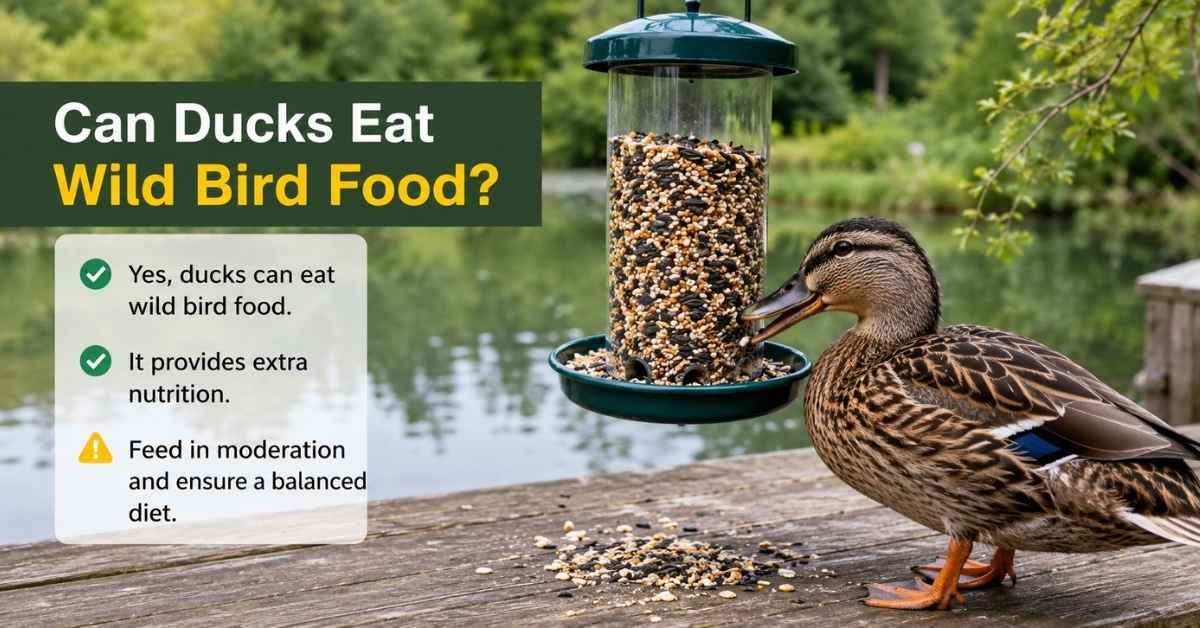
Can ducks eat wild bird food? Yes, ducks can safely eat certain types of wild bird food like cracked corn, oats, millet, wheat, and sunflower seeds in moderation. However, not all bird food is healthy for ducks. Some commercial bird seed mixes contain excess salt, preservatives, artificial additives, or high-fat ingredients that may harm duck health over time.
Many people feed ducks at ponds, parks, lakes, and backyard feeding stations without realizing that a duck’s digestive system and nutritional needs differ from small backyard birds. While wild ducks naturally eat seeds and grains as part of their diet, relying too heavily on bird seed mixes can lead to nutritional deficiencies, obesity, water pollution, and even conditions like angel wing syndrome in ducklings.
This complete guide explains:
- which wild bird foods are safe for ducks
- unsafe ingredients ducks should avoid
- the best bird seed for ducks
- proper feeding frequency
- duckling safety
- environmental risks
- healthier alternatives to bread
By the end, you’ll know exactly how to feed ducks responsibly without harming their health or local pond ecosystems.
Wild Bird Food and Ducks: What You Need to Know
Wild ducks are natural foragers. In ponds, wetlands, rivers, and marshes, they spend much of their day searching for aquatic plants, insects, seeds, grains, and tiny aquatic organisms. That is why ducks are naturally attracted to spilled bird seed around bird feeders or public feeding areas.
Unlike many songbirds, ducks consume larger quantities of food and require a more balanced waterfowl diet. While bird seed can provide carbohydrates, healthy fats, and some protein, it usually lacks the complete nutritional profile ducks need for long-term health.
Why Ducks Are Attracted to Wild Bird Food
Bird seed blends often contain:
- cracked corn
- millet
- sunflower seeds
- oats
- barley
- wheat
These ingredients resemble foods ducks already eat in nature. Wild ducks quickly learn that bird feeders and ponds are reliable food sources, especially during colder months when natural foraging becomes difficult.
Domestic ducks are even more attracted to commercial bird food because they are accustomed to routine feeding.
Can Ducks Digest Wild Bird Food Properly?
Yes, ducks can digest many types of bird seed. Their digestive system is designed to process grains and seeds efficiently. However, digestion depends heavily on:
- seed size
- processing method
- moisture content
- ingredient quality
- feeding quantity
Small grains like millet and oats are easier for ducks to digest than large hard seeds or processed seed blends filled with preservatives.
Ducklings have more delicate digestive systems than adult ducks. Large seeds and hard pellets may become choking hazards or cause digestive stress in baby ducks.
Important: Wild bird food should be treated as a supplemental snack, not a complete duck feed replacement.
Is Wild Bird Food Safe for Ducks?
The safety of wild bird food depends entirely on the ingredients used in the mix.
Some bird foods support healthy duck nutrition while others create health problems when fed regularly.
Bird Foods That Are Generally Safe for Ducks
The following bird foods are considered safe for most ducks when offered in moderation:
| Safe Bird Food | Benefits for Ducks |
|---|---|
| Cracked corn | Easy to digest and energy-rich |
| Oats | High fiber and gentle on digestion |
| Millet | Small seeds suitable for wild ducks |
| Wheat | Good carbohydrate source |
| Barley | Natural grain ducks forage for |
| Black oil sunflower seeds | Healthy fats and protein |
| Mealworms | Excellent protein source |
| Rice | Easy energy source |
| Peas | Rich in vitamins and minerals |
These foods align more closely with a duck’s natural diet and are far healthier than bread.
Bird Foods Ducks Should Only Eat in Moderation
Some bird food ingredients are not toxic but should be limited because they are high in fat or low in nutritional balance.
Foods to limit:
- sunflower seed blends
- peanuts
- dried fruit mixes
- suet products
- high-fat seed cakes
Too much high-fat bird food may contribute to:
- obesity
- poor feather quality
- nutritional imbalance
- reduced natural foraging behavior
Wild Bird Foods Ducks Should Avoid
Certain commercial bird food products are unsafe for ducks.
Unsafe bird food ingredients include:
- salty seed mixes
- moldy bird seed
- artificial preservatives
- chocolate-containing products
- honey-coated seed blends
- medicated bird feeds
- spoiled grains
Moldy food is especially dangerous because it may contain toxins harmful to waterfowl digestion and immune systems.
Best Types of Wild Bird Food for Ducks
Not all bird seed is created equally. Some blends are far healthier for ducks than others.
Best Seed Mixes for Wild Ducks
The healthiest bird foods for ducks usually contain simple natural grains without artificial additives.
Best bird seed ingredients:
- Cracked corn
- Oats
- Millet
- Wheat
- Barley
- Black oil sunflower seeds
- Mealworms
Single-ingredient seed options are often safer than heavily processed mixed bird seed products.
Best Bird Food for Domestic Ducks
Domestic ducks have different dietary needs than wild ducks because they:
- grow faster
- exercise less
- rely more on humans for nutrition
For pet ducks, wild bird food should only supplement a balanced waterfowl feed or duck pellet diet.
Better options for domestic ducks:
- waterfowl pellets
- duck pellets
- chopped leafy greens
- peas
- sweetcorn
- insect protein sources
Best Bird Food for Ducklings
Ducklings require higher levels of:
- niacin
- protein
- vitamins
- balanced minerals
Soft grains like oats and finely cracked corn are safer for ducklings than large hard seeds.
Avoid feeding ducklings:
- whole sunflower seeds
- large pellets
- salty bird food
- moldy seed
- processed bird treats
Nutritional Value of Wild Bird Food for Ducks
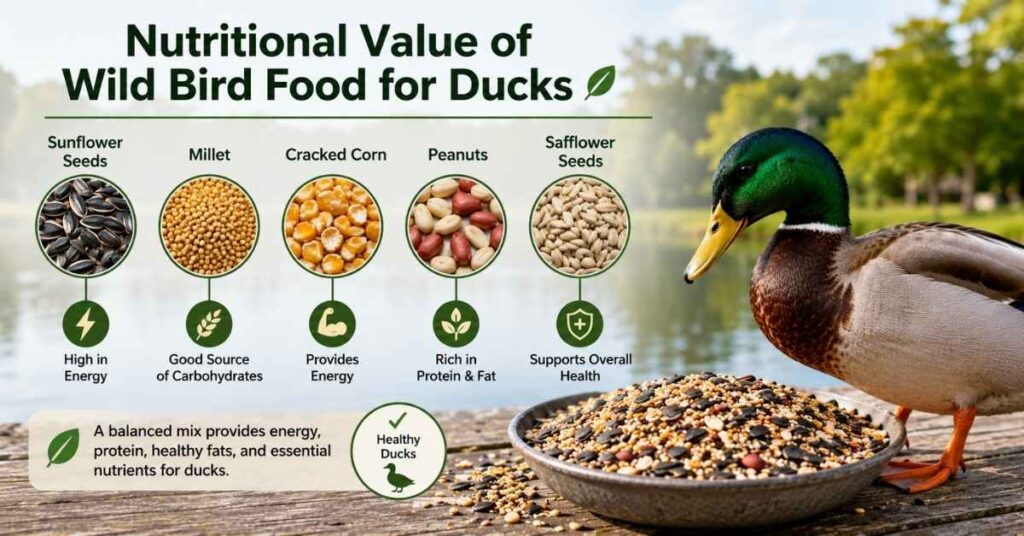
Wild bird food can provide useful nutrients, but it should never become the only food ducks eat.
Protein
Mealworms, sunflower seeds, and some grains contain moderate protein levels that help feather growth and energy production.
Healthy Fats
Sunflower seeds provide healthy fats that support feathers and body temperature regulation during winter.
Carbohydrates
Corn, wheat, oats, and barley give ducks fast energy for swimming and migration.
Fiber
Whole grains support digestion and gut health.
Nutritional Deficiencies Bird Food Cannot Solve
Bird food alone lacks certain nutrients ducks require for long-term health.
Important deficiencies include:
- niacin
- calcium
- amino acid balance
- proper vitamin ratios
Without balanced nutrition, ducks may develop:
- weak bones
- poor feather growth
- obesity
- angel wing syndrome
- weakened immune systems
Can Ducks Eat Specific Bird Foods?
Can Ducks Eat Sunflower Seeds?
Yes, ducks can eat sunflower seeds in moderation. Black oil sunflower seeds are softer and easier to digest than striped sunflower seeds.
However, sunflower seeds are high in fat, so overfeeding may contribute to obesity.
Can Ducks Eat Cracked Corn?
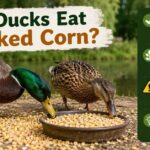
Cracked corn is one of the safest foods for ducks. It provides quick energy and mimics natural grains wild ducks eat in agricultural fields.
Can Ducks Eat Oats?
Yes, oats are among the healthiest grains for ducks. Rolled oats are easy to digest and safe for both adult ducks and ducklings.
Can Ducks Eat Millet?
Millet is excellent for ducks because the small seeds are easy to swallow and rich in carbohydrates.
Can Ducks Eat Suet?
Suet is not ideal for ducks. It contains excessive fat and is designed for high-energy backyard birds rather than waterfowl.
Can Ducks Eat Mealworms?
Yes, mealworms are highly nutritious and provide protein that supports feather growth and muscle development.
Can Ducks Eat Safflower Seeds?
Ducks can eat safflower seeds occasionally, but they are harder than millet or oats and should not become a major food source.
Can Ducks Eat Nyjer Seed?
Nyjer seed is safe in tiny amounts but too small and oily to provide meaningful nutrition for ducks.
Can Ducks Eat Mixed Bird Seed?
Yes, if the mix contains natural grains and seeds without excess salt, preservatives, or artificial ingredients.
Can Ducks Eat Bird Pellets?
Some bird pellets are safe, but many are formulated specifically for songbirds rather than waterfowl. Duck pellets remain the better option.
Wild Ducks vs Domestic Ducks: Feeding Differences
Wild ducks and domestic ducks have different lifestyles and nutritional requirements.
What Wild Ducks Naturally Eat
Wild ducks forage for:
- aquatic plants
- grasses
- insects
- larvae
- seeds
- grains
- algae
- small aquatic organisms
This natural variety helps maintain balanced nutrition.
Why Domestic Ducks Have Different Dietary Needs
Domestic ducks rely more heavily on humans and often exercise less than wild ducks. Because of this, they are more prone to:
- obesity
- nutritional deficiencies
- overfeeding problems
Balanced waterfowl feed is more important for domestic ducks than occasional bird seed snacks.
The Risks of Feeding Ducks Too Much Bird Food
Even healthy bird food can become harmful when ducks eat excessive amounts.
Overfeeding and Obesity in Ducks
Large amounts of bird seed provide excess calories. Overweight ducks may struggle with:
- mobility
- flying
- feather maintenance
- breeding health
Angel Wing Syndrome Explained
Angel wing is a developmental condition where wing feathers grow abnormally outward.
It is commonly linked to:
- high-calorie diets
- excessive processed foods
- nutritional imbalance
- overfeeding by humans
Ducklings are especially vulnerable.
Dependency on Human Feeding
When ducks become dependent on people for food, they reduce natural foraging behavior. This may affect migration patterns and long-term survival skills.
Water Pollution and Algae Growth
Uneaten food rots in ponds and lakes, causing:
- polluted water
- algae blooms
- oxygen depletion
- bacterial growth
This harms both ducks and aquatic ecosystems.
Case Study: Many urban ponds with constant duck feeding experience algae overgrowth caused by decomposing bread and seed waste.
Common Duck Feeding Mistakes Most People Make
Many people unintentionally harm ducks by feeding the wrong foods.
Common mistakes include:
- Feeding bread daily
- Offering moldy bird seed
- Using salty processed foods
- Overfeeding ducks at ponds
- Feeding ducklings hard seeds
- Ignoring portion sizes
- Using highly processed bird food mixes
Even healthy grains can create problems when fed excessively.
How Much Wild Bird Food Should Ducks Eat?
Moderation is critical.
Wild bird food should make up only a small portion of a duck’s total diet.
Occasional feeding is best:
- 1–2 small handfuls
- not daily
- enough to avoid leftover food
Winter
Ducks may benefit from extra energy-rich grains during freezing weather.
Summer
Natural foraging is easier, reducing the need for supplemental feeding.
Breeding Season
Balanced protein sources become more important during egg-laying and feather growth periods.
Better Alternatives to Wild Bird Food for Ducks
Some foods are healthier and more nutritionally complete than bird seed.
Best alternatives include:
- waterfowl pellets
- duck pellets
- chopped lettuce
- kale
- spinach
- peas
- sweetcorn
- oats
- duckweed
- mealworms
Fresh vegetables and balanced duck feed provide better long-term nutrition than processed bird food mixes.
How to Feed Ducks Responsibly
Responsible feeding protects both duck health and local wildlife habitats.
Best practices:
- feed small quantities
- avoid processed foods
- clean feeding areas
- never leave moldy food
- avoid overcrowding feeding spots
- encourage natural foraging
Responsible waterfowl feeding helps preserve healthy pond ecosystems.
Signs a Duck’s Diet Is Unhealthy
Poor nutrition affects duck behavior and physical appearance.
Warning signs include:
- poor feather quality
- lethargy
- difficulty walking
- digestive problems
- weight gain
- weak growth in ducklings
Healthy ducks are active, alert, and maintain clean waterproof feathers.
What Wildlife Experts Recommend
Wildlife experts generally agree that ducks should eat foods close to their natural diet.
“Feeding ducks responsibly means prioritizing nutrition and avoiding processed foods that damage both wildlife health and aquatic ecosystems.”
Most wildlife conservation groups recommend:
- avoiding bread
- limiting processed foods
- using natural grains
- feeding in moderation
- protecting water quality
LEARN MORE: Can Ducks Eat Chicken Layer Feed?
Safe vs Unsafe Wild Bird Food for Ducks
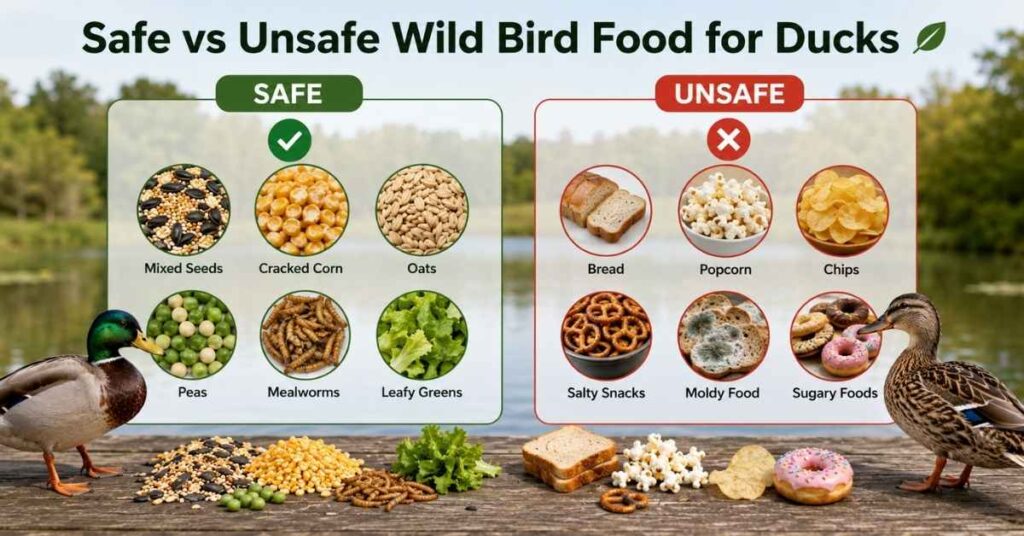
| Safe Bird Foods | Feed in Moderation | Unsafe Bird Foods |
|---|---|---|
| Oats | Peanuts | Moldy seed |
| Millet | Suet | Salty mixes |
| Cracked corn | Sunflower seeds | Chocolate |
| Wheat | Dried fruit | Preserved foods |
| Mealworms | Mixed blends | Medicated feed |
Nutritional Comparison of Common Bird Foods
| Bird Food | Protein | Fat | Digestibility | Safe for Ducklings |
|---|---|---|---|---|
| Oats | Medium | Low | High | Yes |
| Cracked corn | Low | Low | High | Yes |
| Millet | Medium | Low | High | Yes |
| Sunflower seeds | Medium | High | Medium | Limited |
| Suet | Low | Very High | Low | No |
Myths About Feeding Ducks
“Bread Is Fine for Ducks”
Bread fills ducks without providing balanced nutrition.
“All Bird Seed Is Healthy”
Some commercial bird food contains harmful additives and excessive salt.
“Wild Ducks Can Eat Anything”
Ducks are adaptable, but poor diets still harm their health.
“More Food Helps Ducks Survive”
Overfeeding contributes to obesity, dependency, and polluted ponds.
Frequently Asked Questions
Can ducks survive on bird seed alone?
No. Ducks need a balanced diet containing vitamins, minerals, protein, and niacin.
Is bird seed healthier than bread for ducks?
Yes. Natural grains and seeds are significantly healthier than bread.
Can ducks eat bird food every day?
Occasional feeding is safer than daily feeding.
What is the healthiest food for ducks?
Balanced waterfowl feed, leafy greens, oats, peas, and aquatic plants are among the healthiest options.
Can ducks eat food from bird feeders?
Yes, ducks often eat spilled seed from bird feeders if the ingredients are safe.
Is wild bird food bad for ducklings?
Some bird food is unsafe for ducklings, especially hard seeds and processed mixes.
What should you never feed ducks?
Avoid moldy food, salty snacks, chocolate, processed foods, and spoiled grains.
Conclusion
Can ducks eat wild bird food? Absolutely — but only certain types and only in moderation. Natural grains like oats, millet, cracked corn, and wheat are generally safe for ducks, while processed bird food blends with salt, preservatives, or excessive fat can create serious health risks.
The healthiest approach is to combine responsible feeding with a balanced waterfowl diet. Ducks thrive best when they continue natural foraging while receiving occasional healthy treats instead of processed human foods.
By choosing safe bird food ingredients and avoiding overfeeding, you help protect:
- duck nutrition
- feather health
- pond ecosystems
- wildlife behavior
- long-term waterfowl health
Responsible feeding benefits both ducks and the environment around them.